Public Force
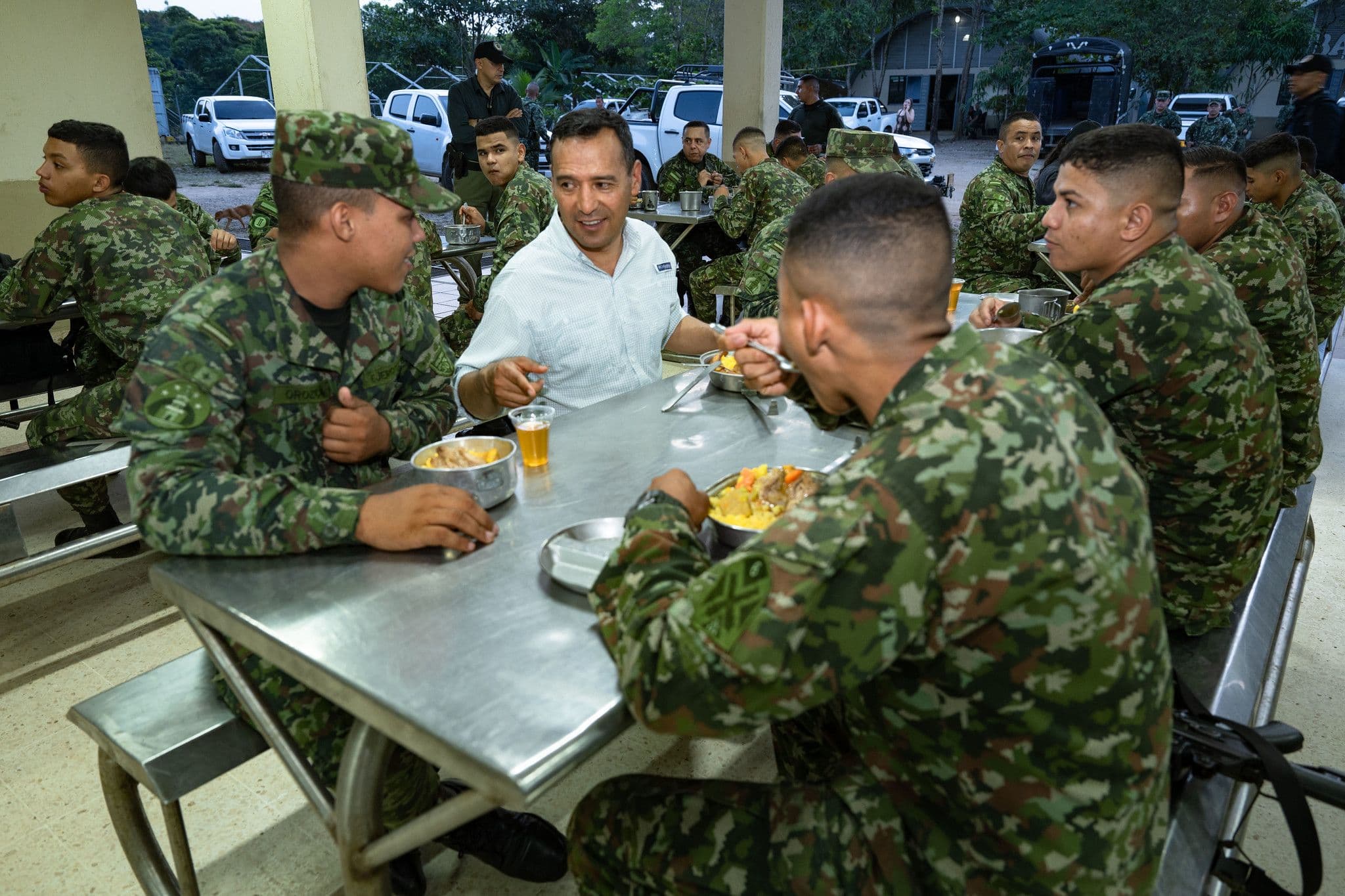
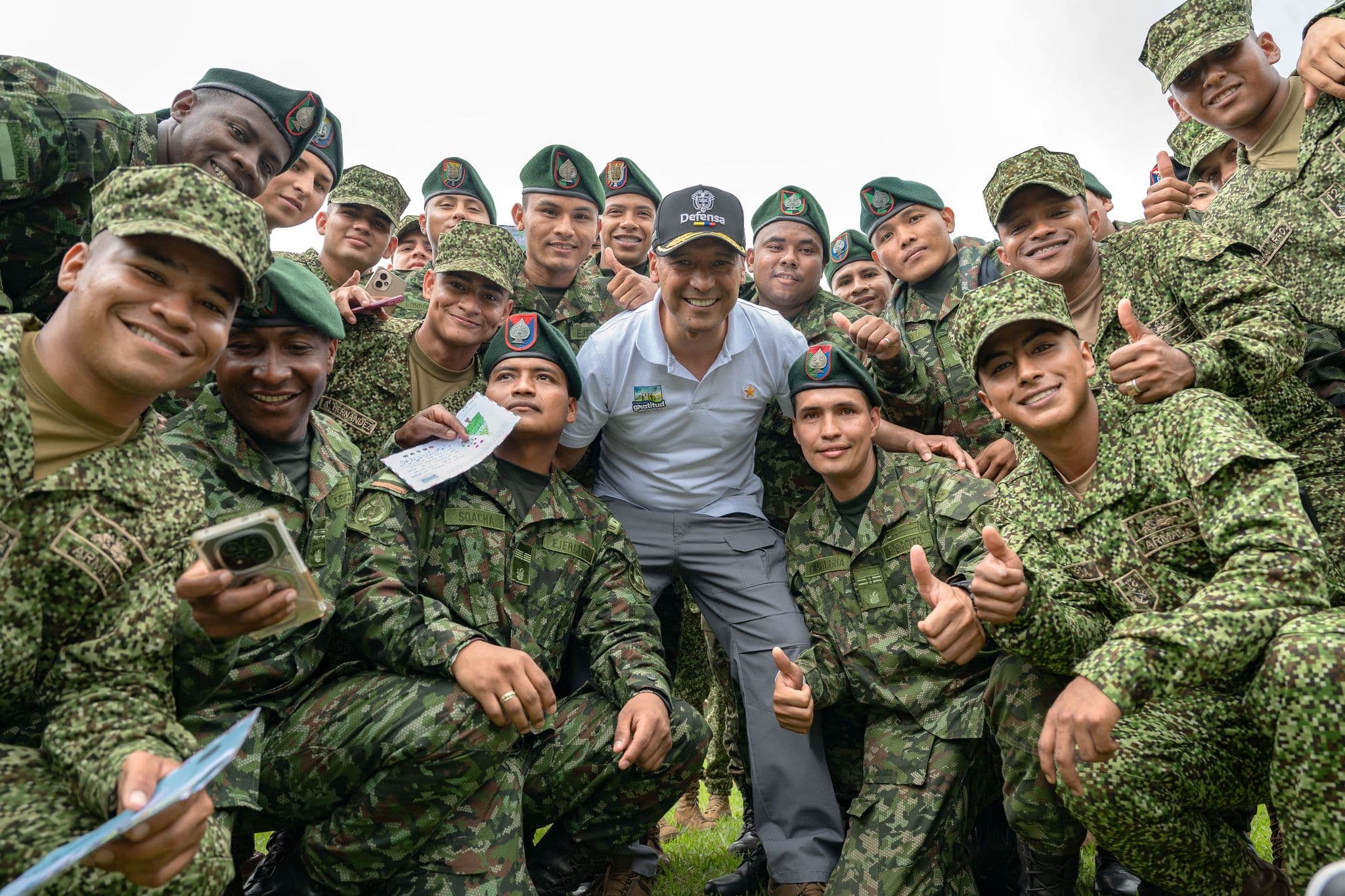
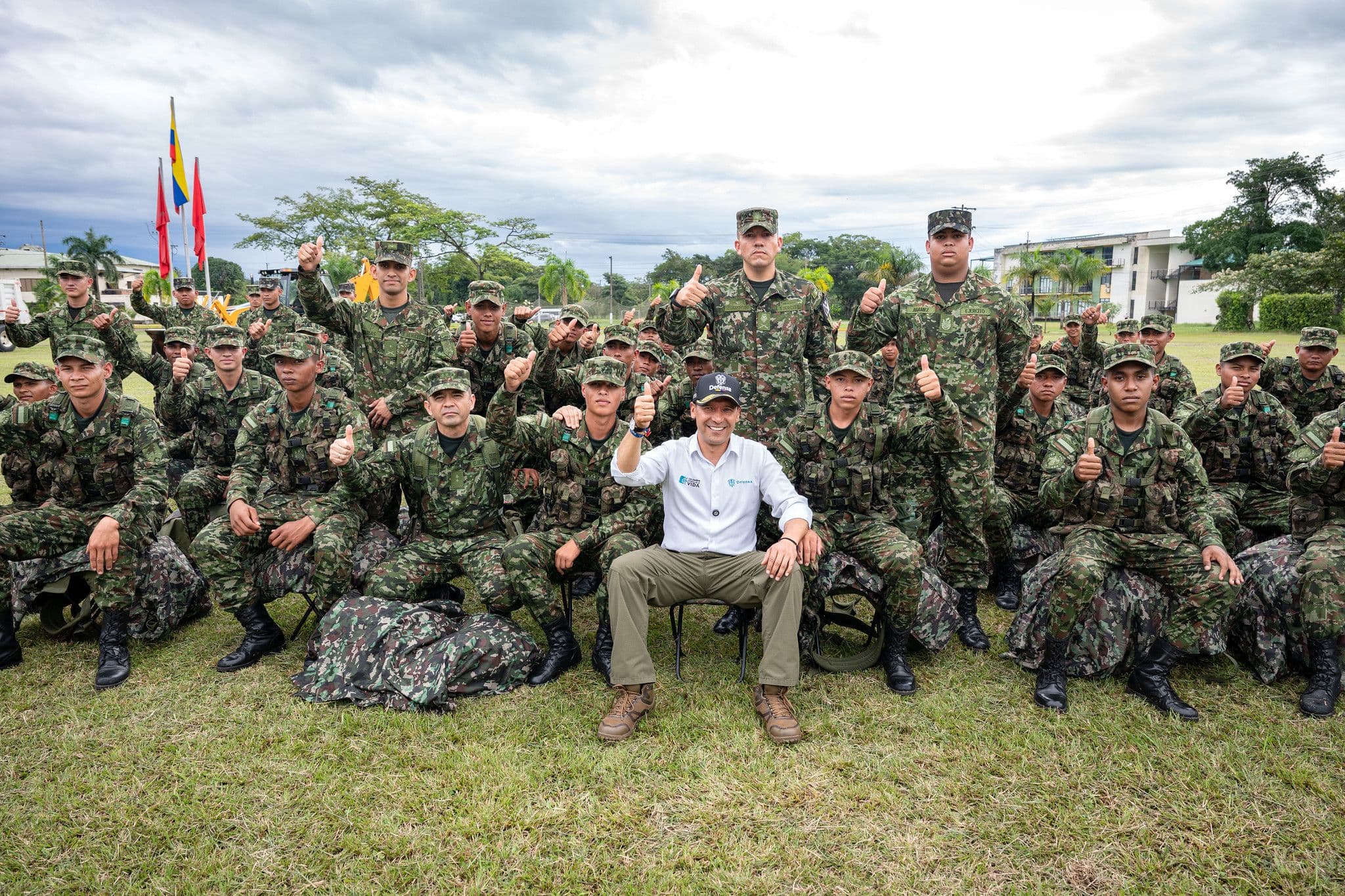
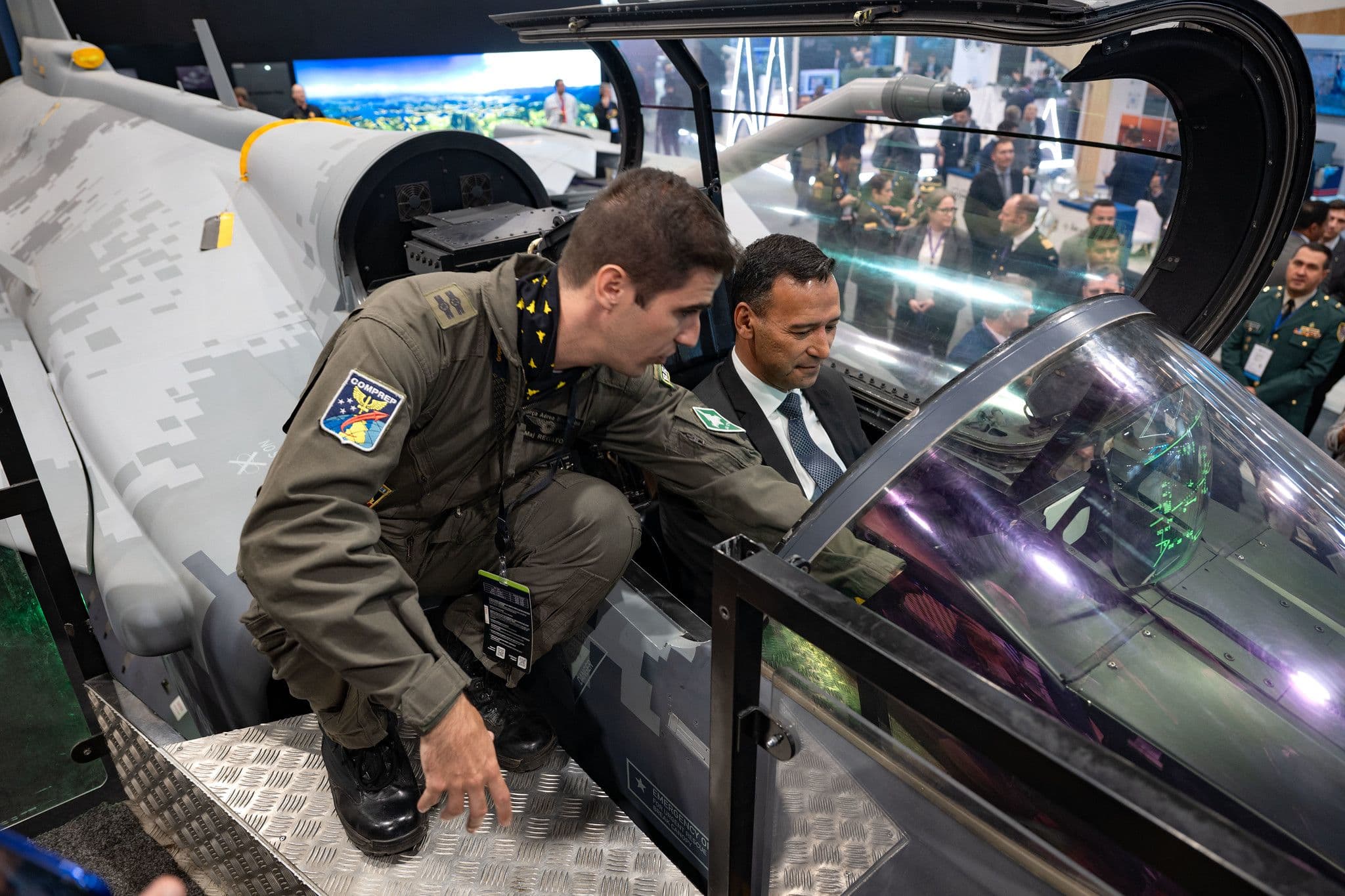
The well-being, morale, and operational capacity of those who wear the uniform are the backbone of National Defense. Monthly bonuses, pay for the highest-risk operational ranks, and the food allowance all reached their highest levels in recent history, while troop strength grew again after years of decline. Added to this is the most ambitious modernization effort in decades: COP $45.6 trillion earmarked for new air, naval, ground, and intelligence capabilities, including the arrival of next-generation combat aircraft. The result also shows up in trust: the Public Force today records its highest favorability levels in ten years.
Monthly allowance for military and police service: a full minimum wage
as of Jul 19, 2024
Growth in troop strength
as of Jul 1, 2025
Young people trained tuition-free in military and police academies
Mar 1, 2026 – Jun 30, 2026
Professional soldiers recruited
Mar 1, 2025 – Jun 30, 2026
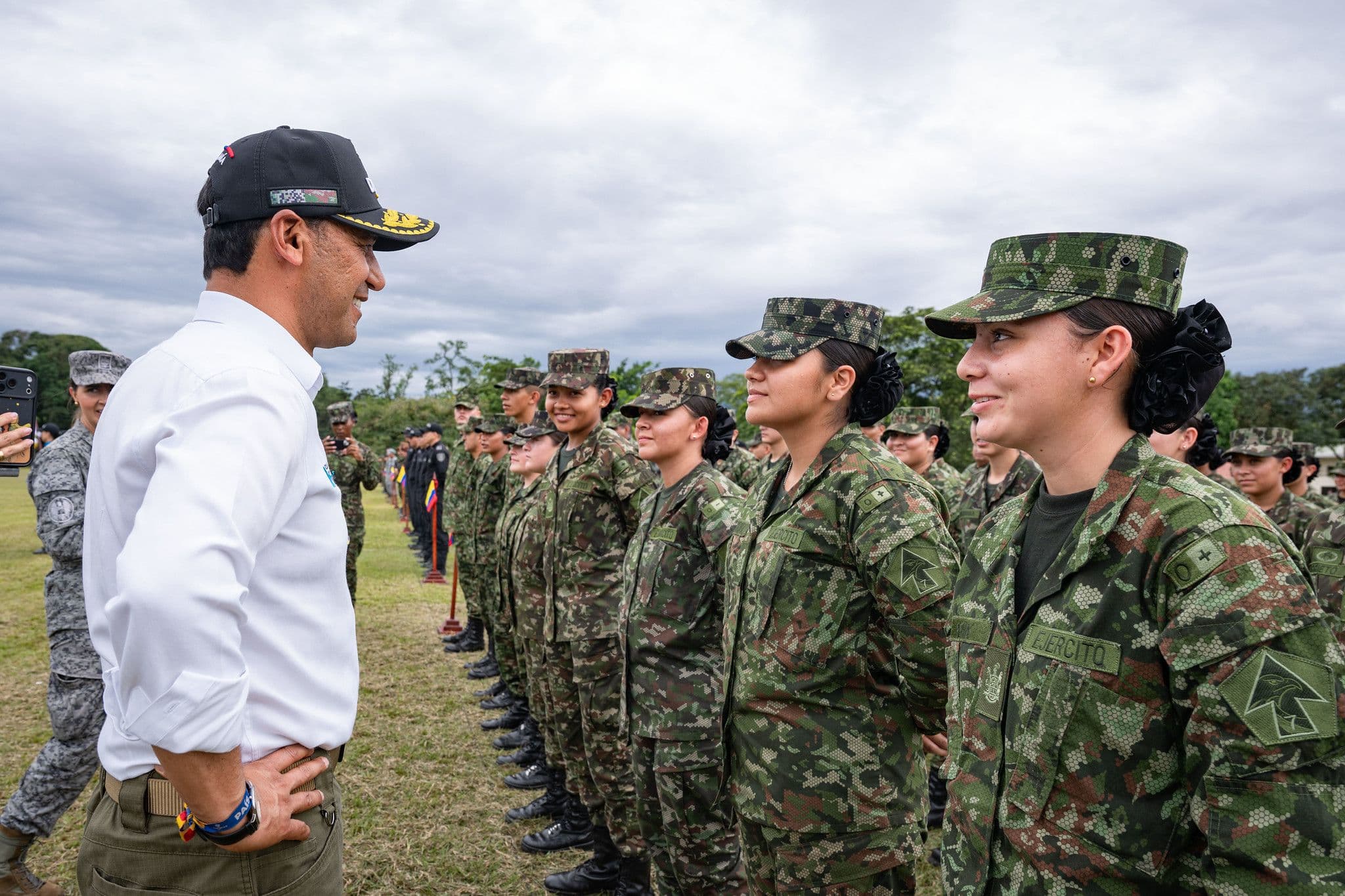
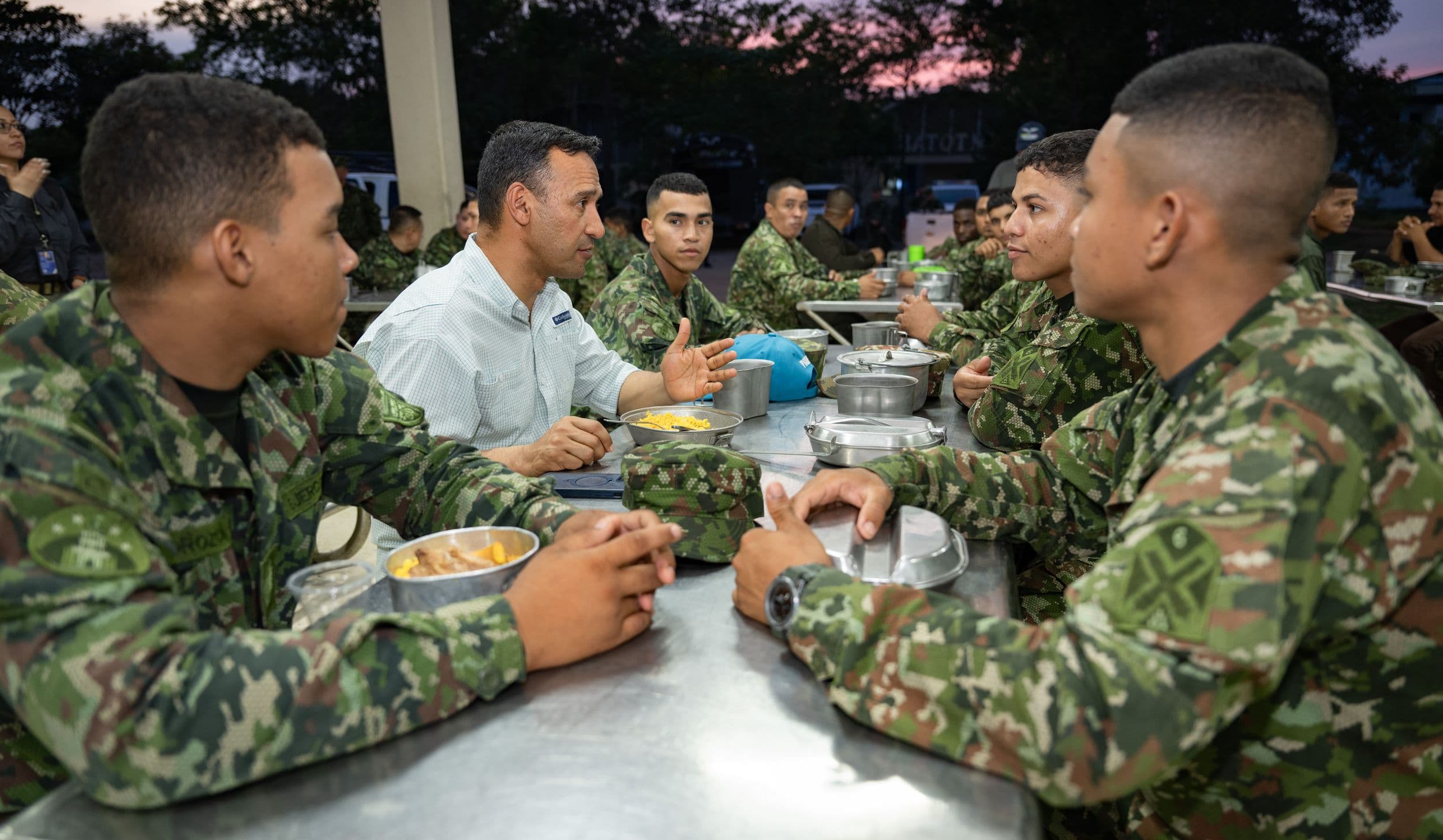
In 2022, a young person doing military or police service received three hundred thousand pesos a month. For that, they were asked to leave home, train for combat and, if necessary, die for their country. In 2026 they receive 1,750,900 pesos: a full minimum wage, 100% of the legal minimum, where between 2002 and 2017 the allowance sat frozen at 15%. The increase did not only change the lives of the more than one hundred thousand families who now receive that transfer each month. It changed who wants to serve: where recruiters once had to go looking for anyone willing, there are now three candidates for every professional soldier position.
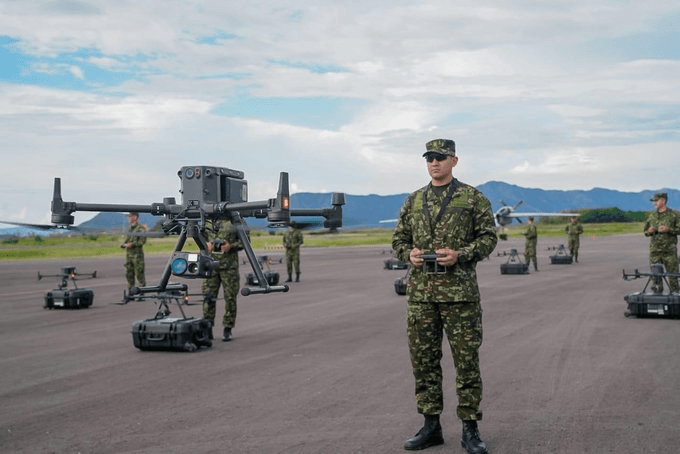
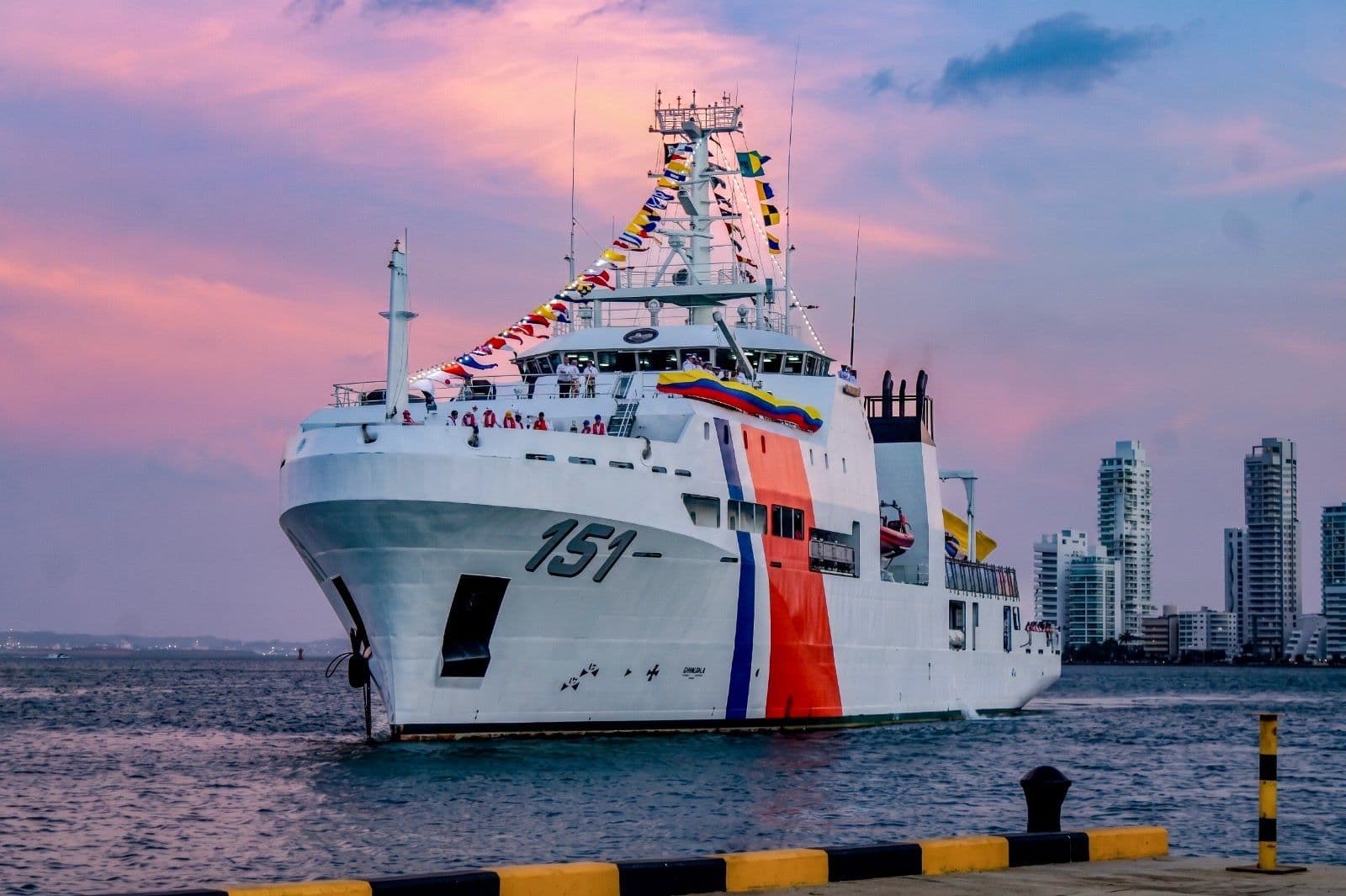
Four CONPES policy documents underpin the largest capability investment the defence sector has seen: seventeen air-superiority aircraft, forty-seven additional transport aircraft and helicopters, ninety-four naval and riverine units, one hundred and eighty-eight armoured tactical vehicles, 119,609 weapons and 752 unmanned aerial systems. The Ministry chose none of those lines. The four Forces defined them, one by one, in technical committees where the entire structuring team underwent polygraph screening and where accepting a gift from a bidder was expressly forbidden.
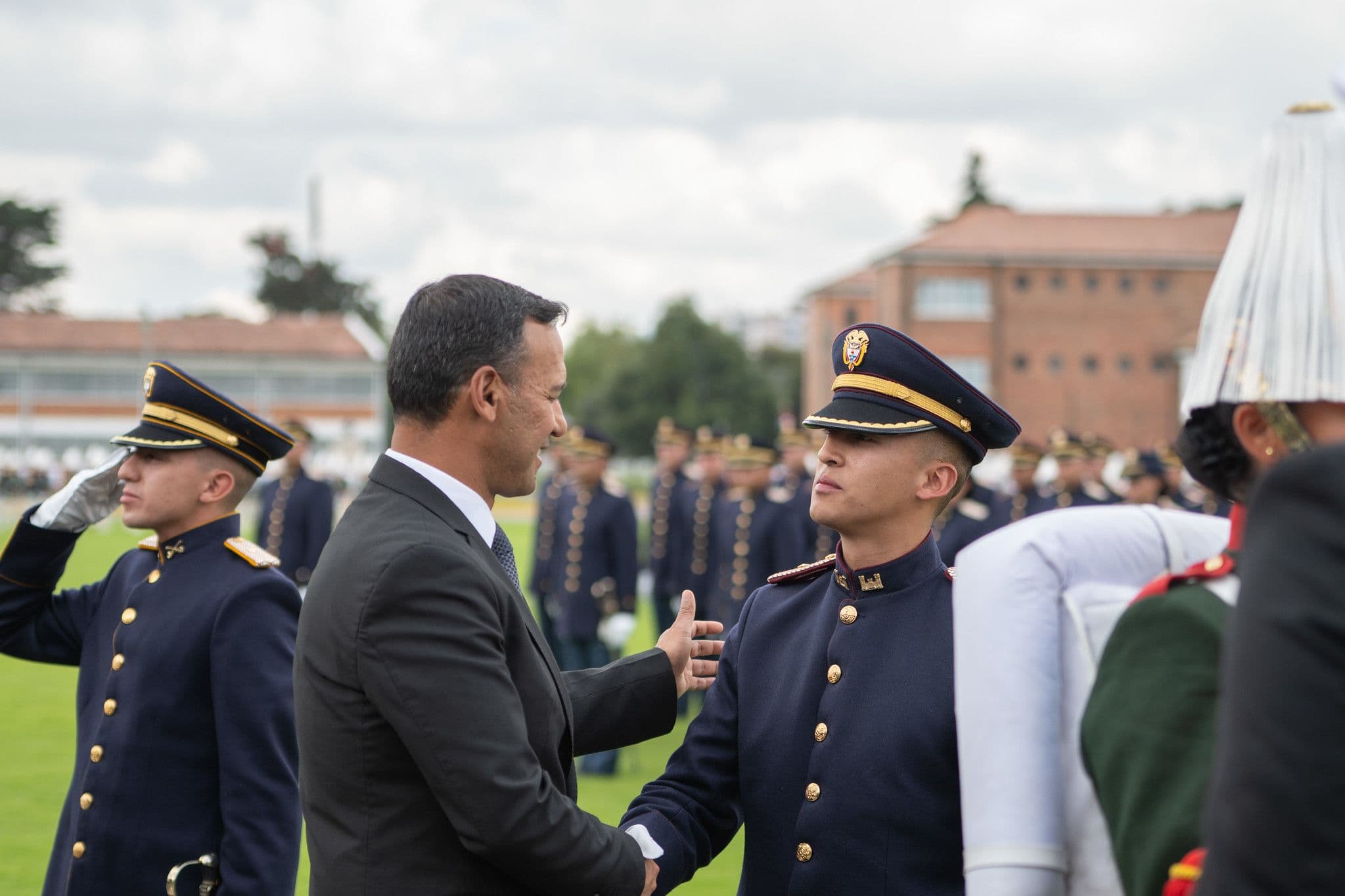
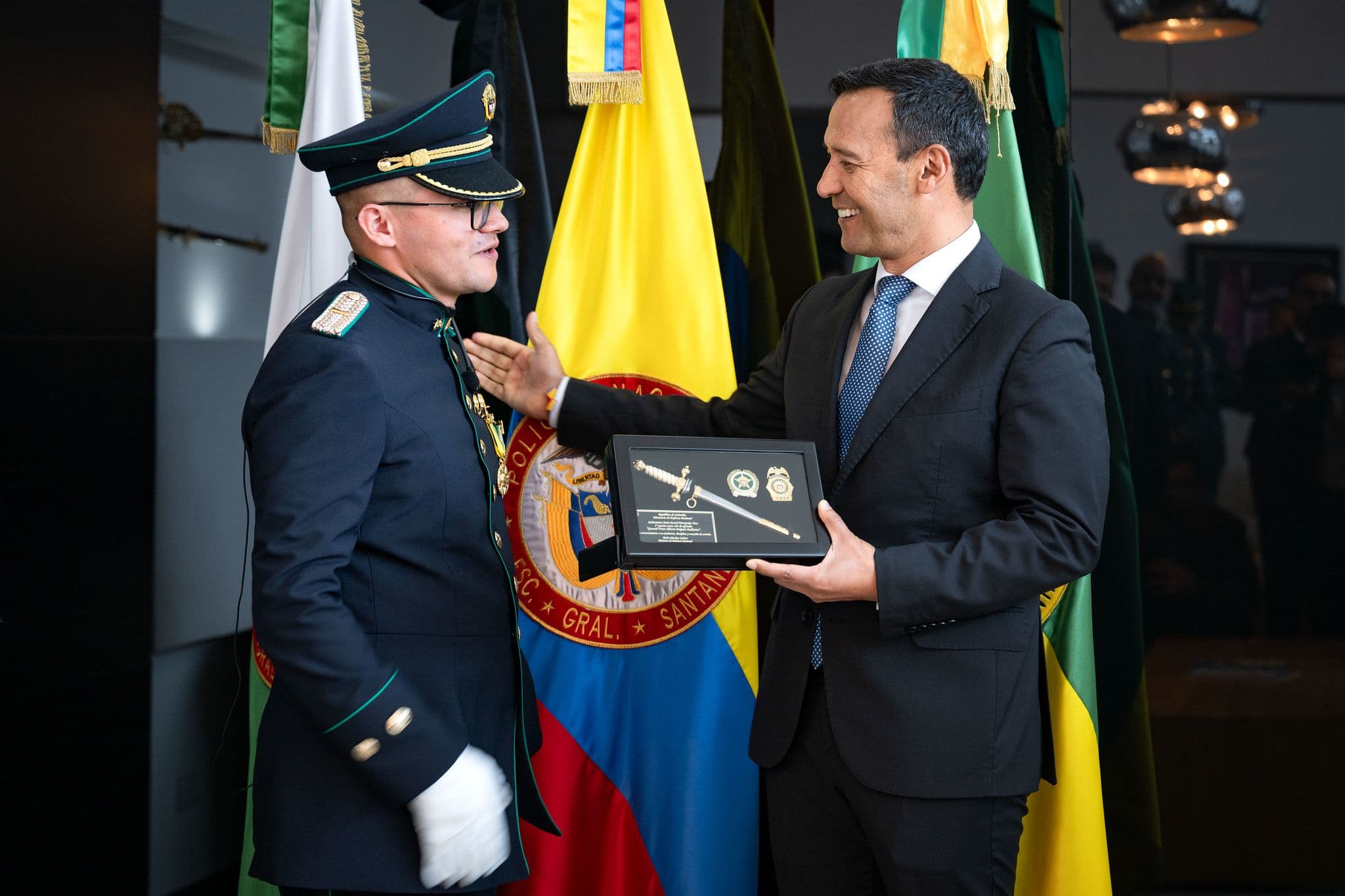
For decades, entering a military or police academy cost money that many Colombian families simply did not have. Serving the country was, in practice, a privilege with an entry fee. Decree 1907 of 2023 removed that barrier. Between March 2025 and June 2026, 19,466 young people trained without paying a single peso in tuition, backed by an investment of 70.2 billion pesos. Military and police training stopped being a privilege and became what it should always have been: an opportunity.
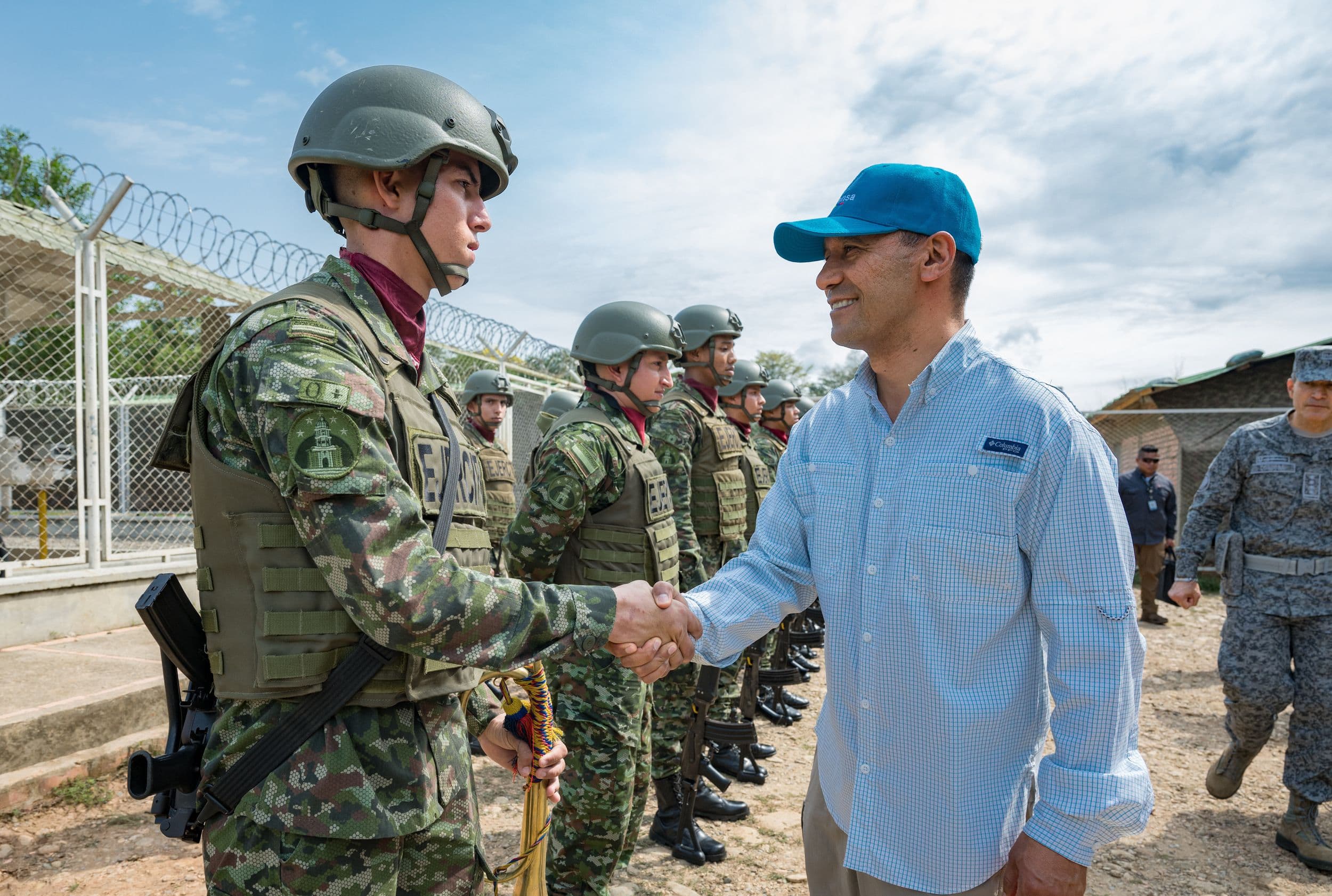
It is the most widely circulated claim about security in Colombia, and the official series contradicts it without qualification. In 2022 there were 375,033 personnel; in 2026 there are 415,007. That is close to forty thousand more people, growth of 10.6%, after eight consecutive years of decline: minus 4.3% between 2014 and 2018, and minus 11% between 2018 and 2022. This is not an interpretation. It is a published series, verifiable year by year.
Latest on this priority