Illicit Economies
Drug trafficking, illegal mining, and money laundering finance organized armed groups, which is why they are a central focus of the administration. Results in cocaine seizures, the destruction of labs, and the intervention of illegal mines confirm Colombia as the country that seizes the most drugs in the world. At the same time, international cooperation is reflected in hundreds of extraditions and the capture of high-profile drug traffickers of eleven different nationalities. The underlying challenge remains: as long as there is consumption in the world, there will be production — which is why pressure on these economies must remain a permanent priority.
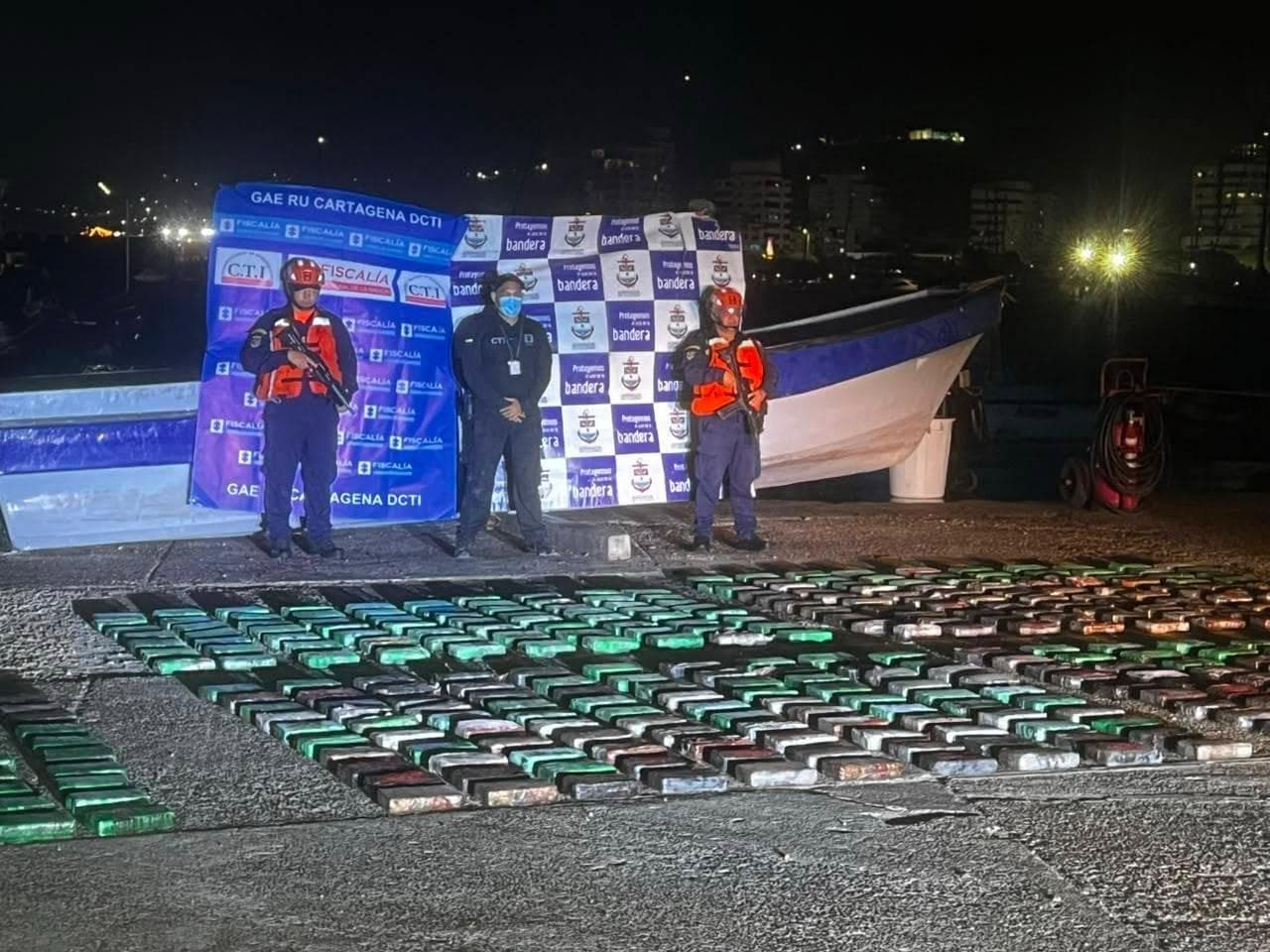
Cocaine seized - Historic figure, +55%
as of Jul 25, 2026
A drug lab is destroyed.
as of Jul 31, 2026
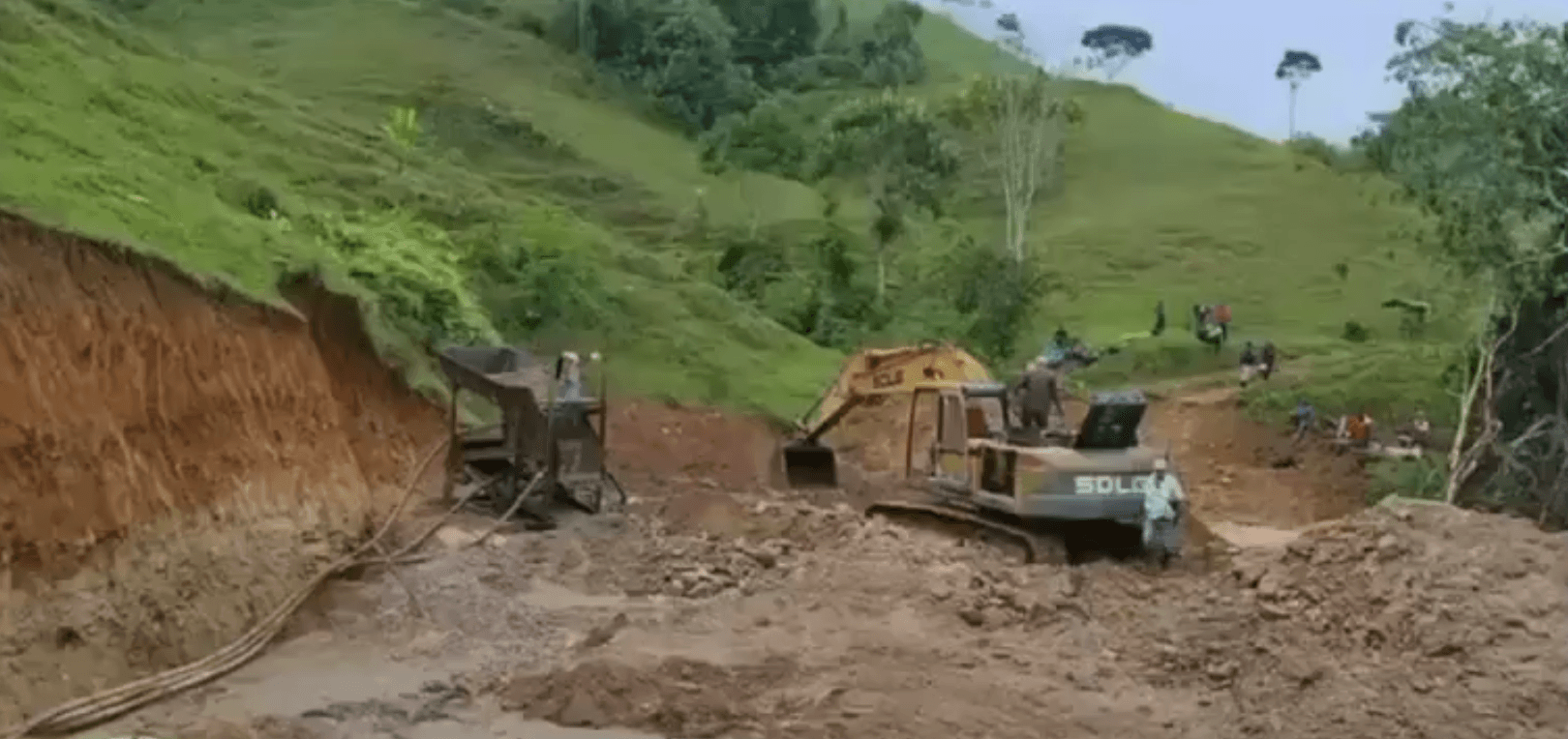
Illegal mines intervened | +26,7% vs. previous period
Aug 7, 2022 – Jul 25, 2026
In the last presidential term (2022–2026)
Jun 30, 2019 – Jun 30, 2026
Historic Cocaine Confiscations
tonsBehind the 3,380 tons of cocaine seized lies a lesser-known but equally striking figure: on average, a drug-processing lab is destroyed in Colombia every 50 minutes. It is a pace that, according to the Ministry of Defense, has come with extreme risks for the service members who carry it out.
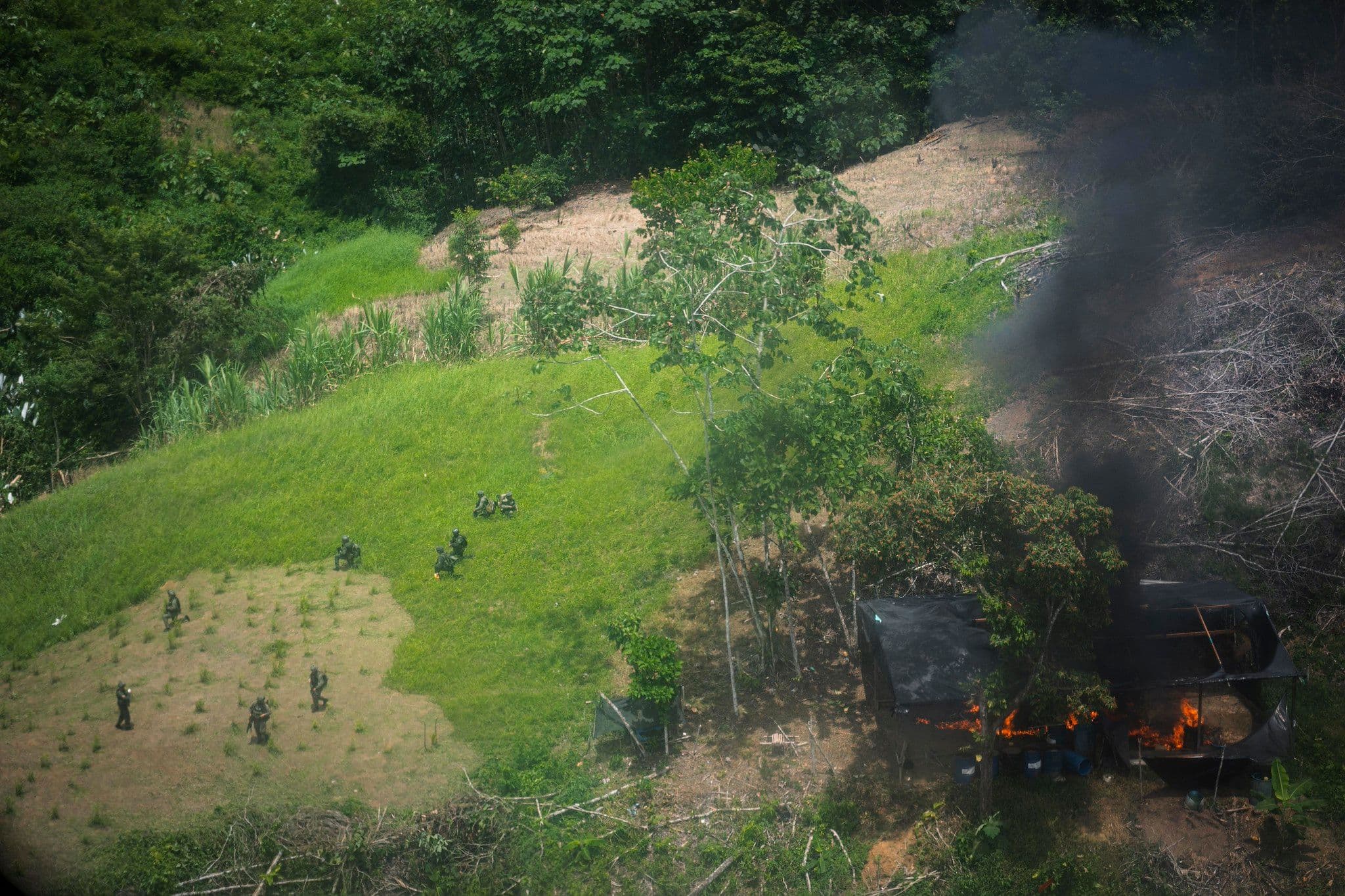
A kilo of cocaine costs around $3,000 in Colombia, $32,000 in the United States, and up to $115,000 in Asia: why fighting it requires looking beyond the border.
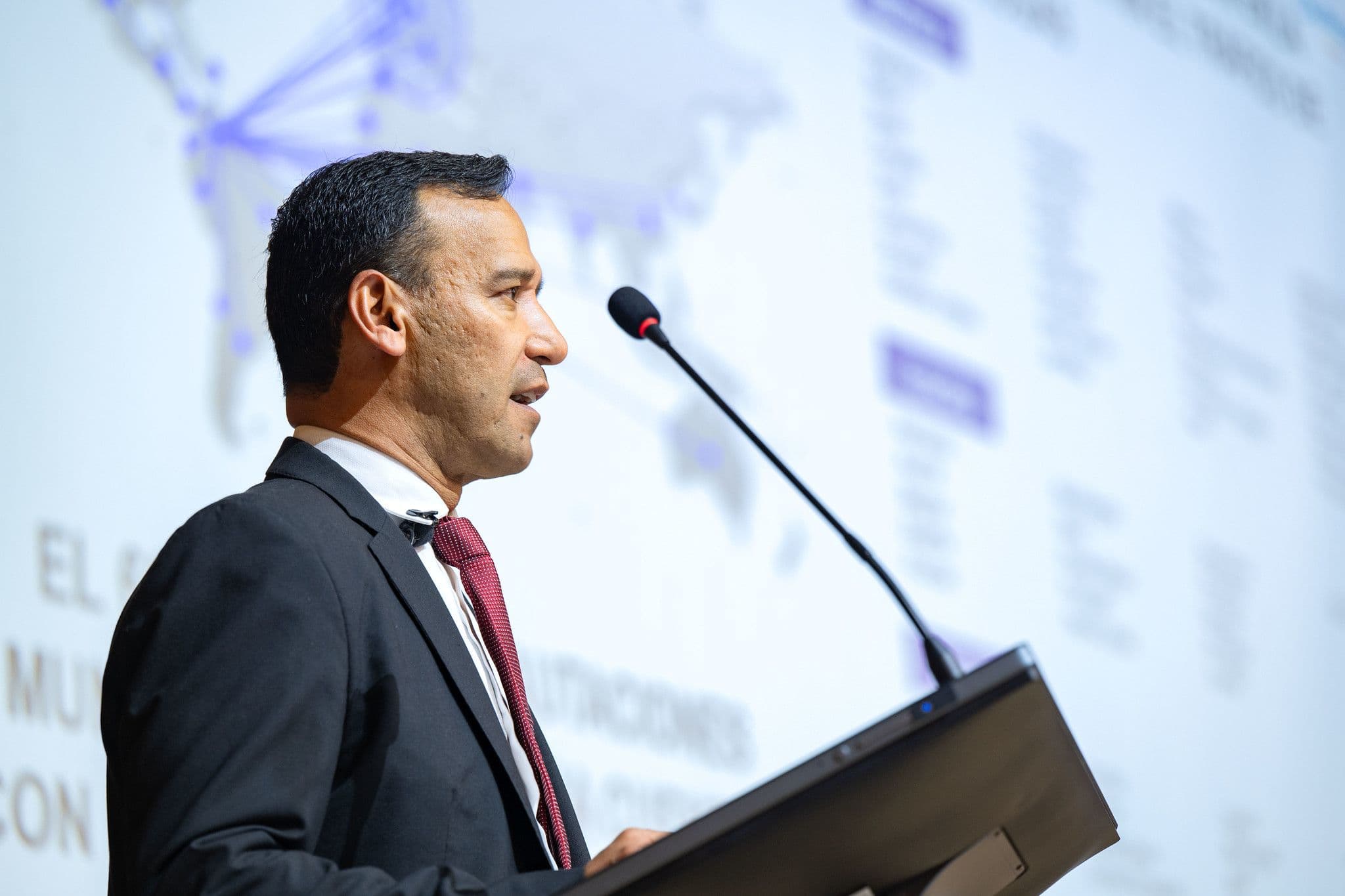
An estimated 316 million people use drugs worldwide, 25 million of them cocaine: consumption that grew more than 30% over the last decade.
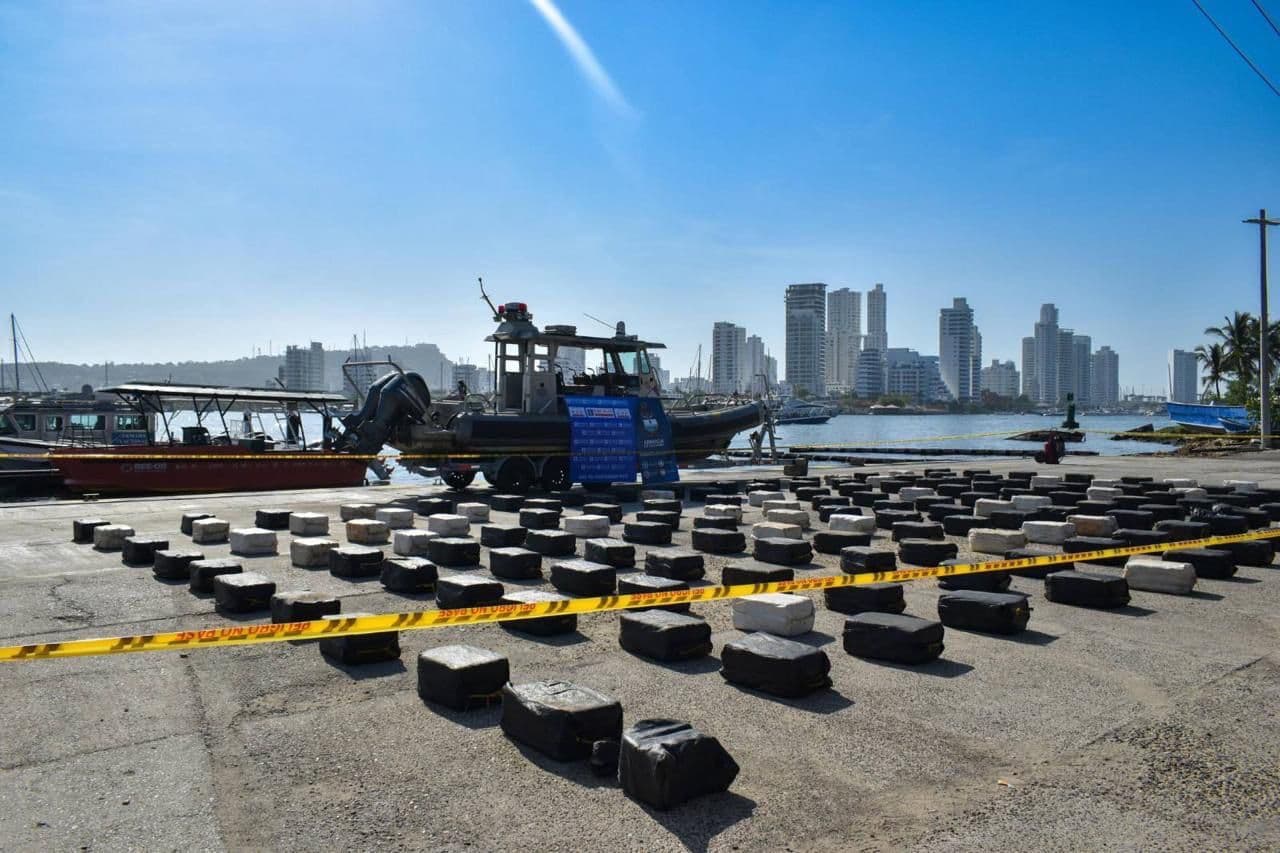
According to official figures, six out of every ten kilos of cocaine seized on the planet trace back to Colombia's intelligence work.
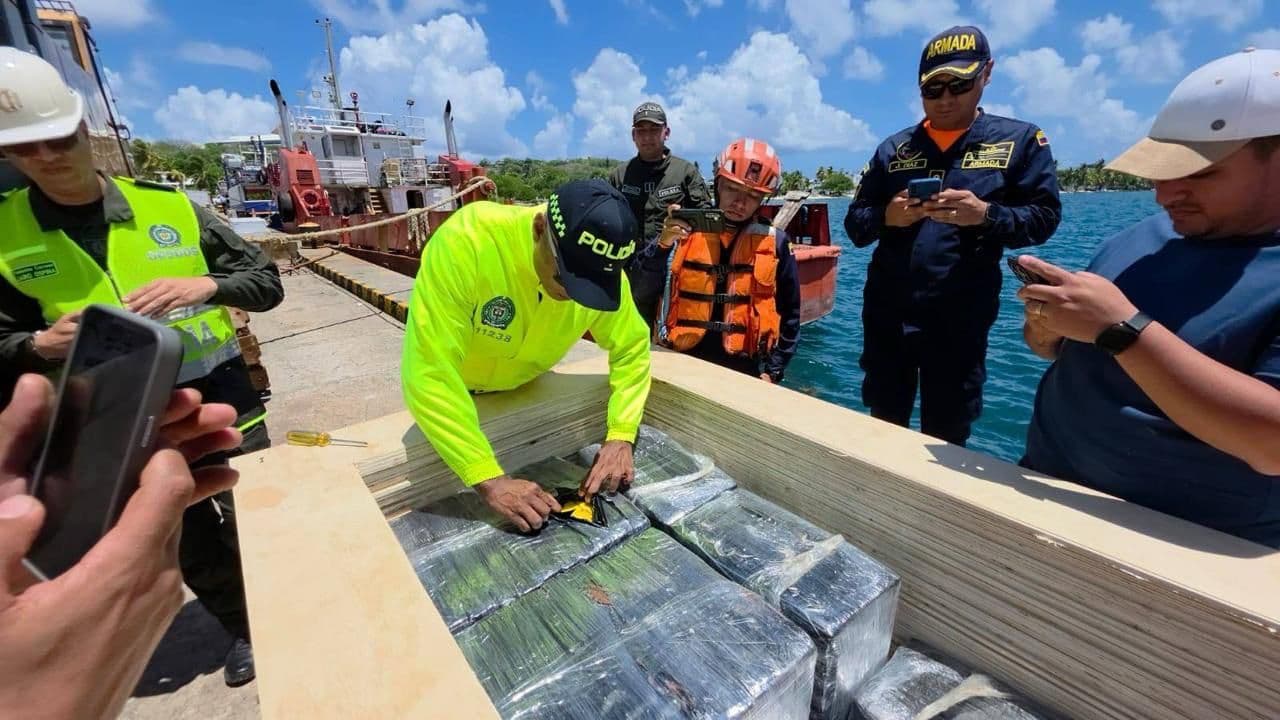
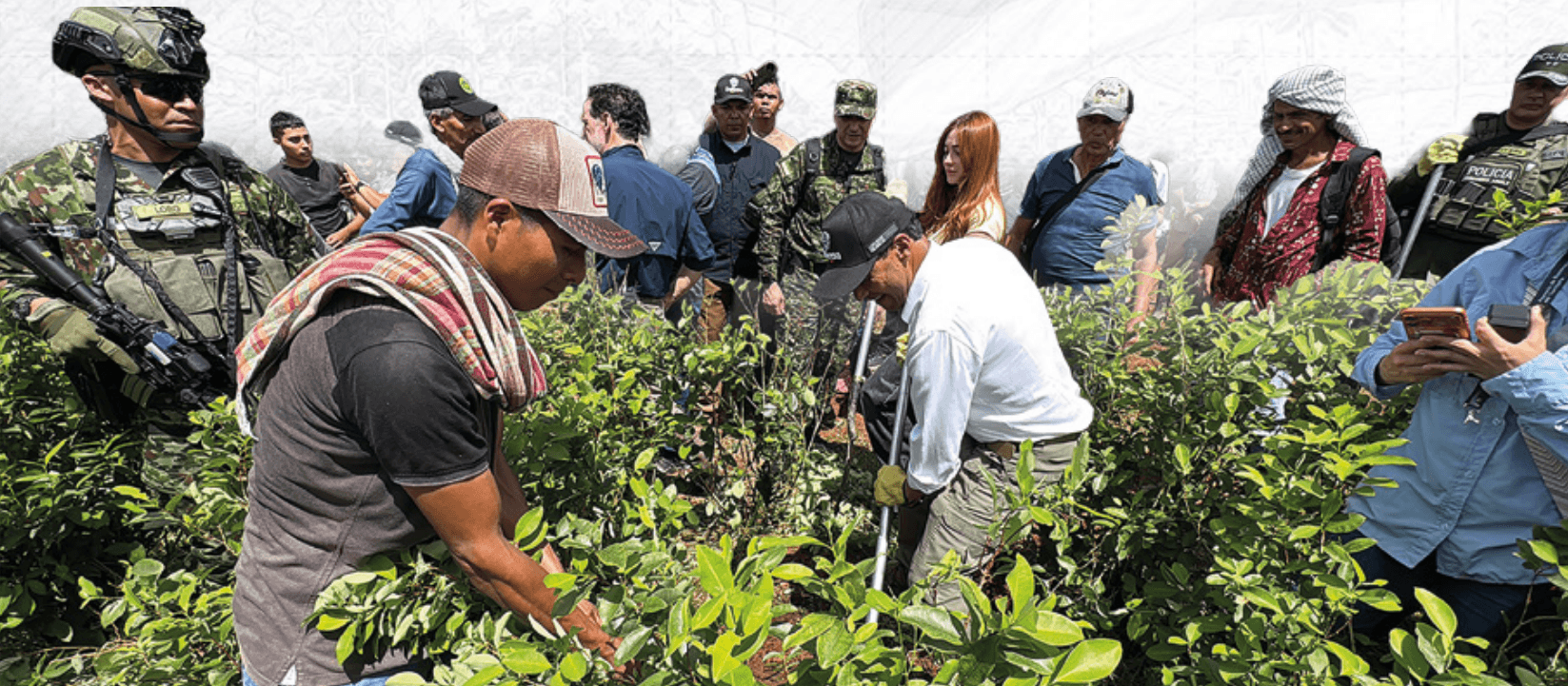
Despite the ongoing challenge of coca cultivation, it covers just 0.23% of national territory: a fact that contrasts with the idea of a country "flooded" with coca.
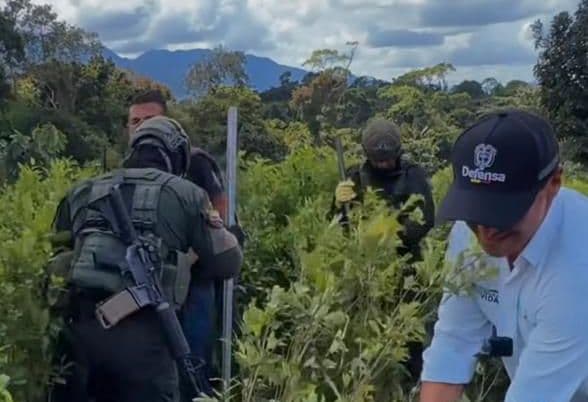
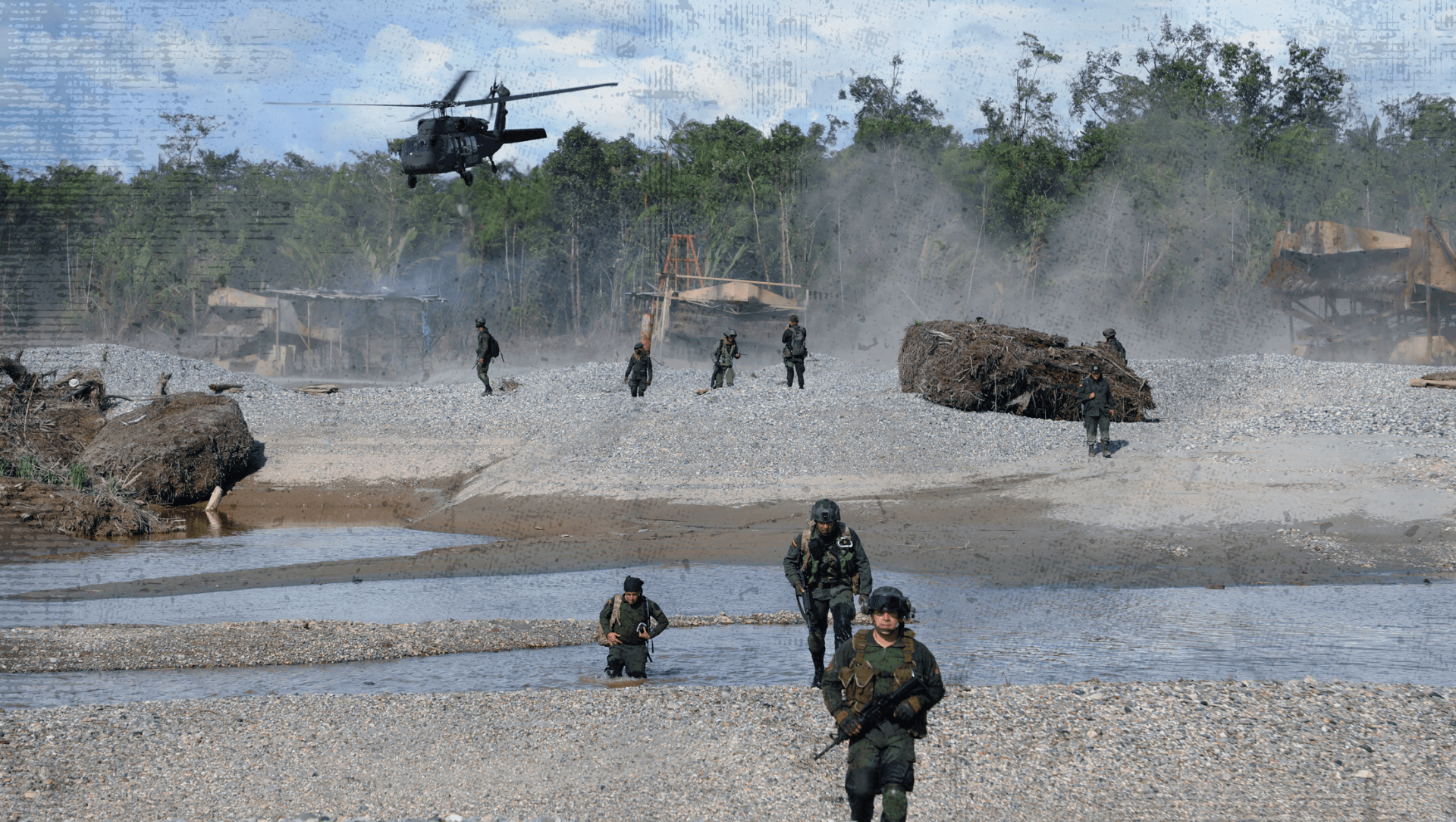
More than 18,800 illegal mines intervened: a 24% increase compared to the previous government, and 109% compared to 2014-2018.
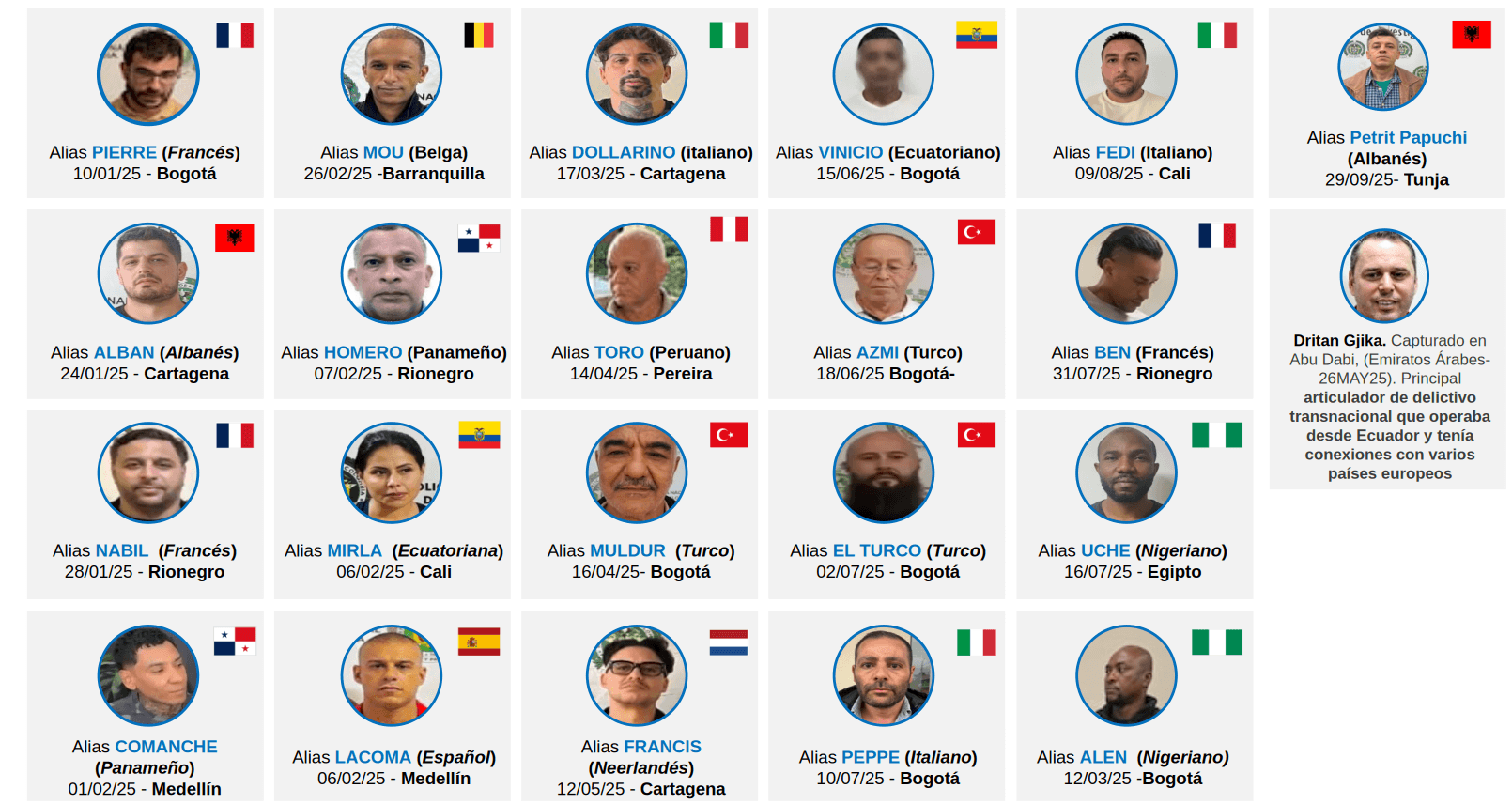
In 2025 alone, the Public Force captured 21 high-impact foreign drug traffickers, seven of them in Bogotá, from eleven different countries.
Latest on this priority