Armies march on their stomachs: the food allocation doubled
Some public policy decisions are best explained through a simple question: how much does it take to feed someone patrolling a jungle for a full day? In 2022 the answer in Colombia was 10,581 pesos. In 2026 it is 21,400. The daily food allocation doubled: an increase of 102%.
Some public policy decisions are best explained through a simple question: how much does it take to feed someone patrolling a jungle for a full day? In 2022 the answer in Colombia was 10,581 pesos. In 2026 it is 21,400. The daily food allocation doubled: an increase of 102%.
Twenty years of increases that never caught up
The historical series shows why the jump matters. In 2004 the allocation was 3,940 pesos. It rose slowly for nearly two decades, with annual increments that barely tracked inflation: 5,580 in 2010, 7,520 in 2016, 9,170 in 2020, 9,610 in 2021, 10,581 in 2022. In twenty years it had barely multiplied by two and a half — meaning it had not improved in real terms.
The change of scale comes in 2023, when the allocation jumps to 16,600 pesos, an increase of more than 50% in a single year. It continues from there: 18,200 in 2024, 20,000 in 2025 and 21,400 in 2026.
What changed on the plate
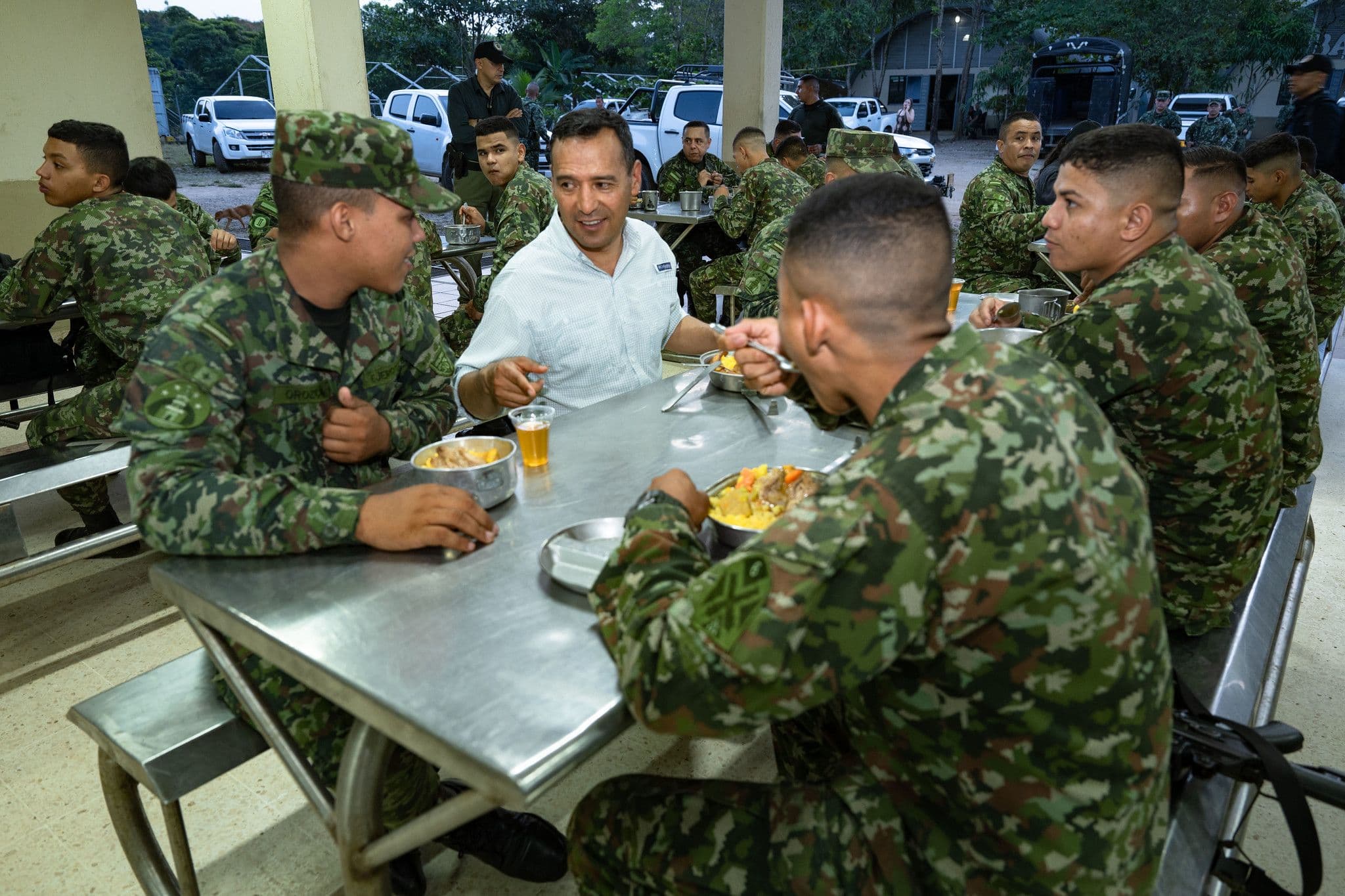
The increase is not abstract. It translates into three full meals and into the quality of what reaches the mess halls: fish, tamales, sancocho, beans. It also covers the snack provided to personnel on guard duty — a minor detail on paper, and not minor at all at three in the morning.
Why this is an operational decision, not a welfare one
Feeding troops well is not a gesture of institutional kindness. A poorly fed soldier performs worse, falls ill more often and loses morale sooner. The familiar line — that armies march on their stomachs — is not rhetoric: it is a logistical observation with centuries of evidence behind it. Together with the minimum-wage allowance, improved food provision is one of the reasons disciplinary infractions fell sharply over the same period.