The largest budget in the history of the defence sector
In 2026 the sector reached 66.2 trillion pesos. It is not a number to boast about: it is what it costs to sustain a force that is growing, better paid and fighting with new equipment.
In 2026, the Defence Sector budget reached 66.2 trillion pesos in constant terms. It is the highest figure recorded since the series began in 2002 at 28.7 trillion. Put differently: the sector today manages more than twice the resources it did twenty-four years ago, in comparable pesos.
Where the 66.2 trillion comes from
The figure is not a single block. It consists of 64.8 trillion in ordinary resources — the sector's regular operating and investment budget — plus 1.1 trillion in extraordinary resources and 0.3 trillion for debt service. That separation matters, because extraordinary resources are what fund major capability leaps and are not part of recurring expenditure: they appear when a strategic decision sits behind them, and disappear once that decision has been executed.
The recent trajectory shows sustained growth rather than an isolated spike. In 2022 the budget stood at 53.9 trillion; in 2023 it rose to 55.5; in 2024 it made its largest jump, to 62.9; in 2025 it reached 64.4, and in 2026, 66.2. Between 2016 and 2026 cumulative growth is 28.2%, with an average share of 3.3% of Gross Domestic Product.
What a budget like this pays for
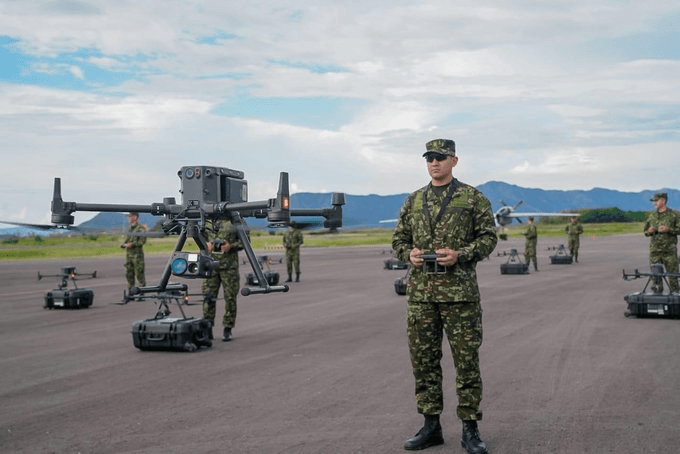
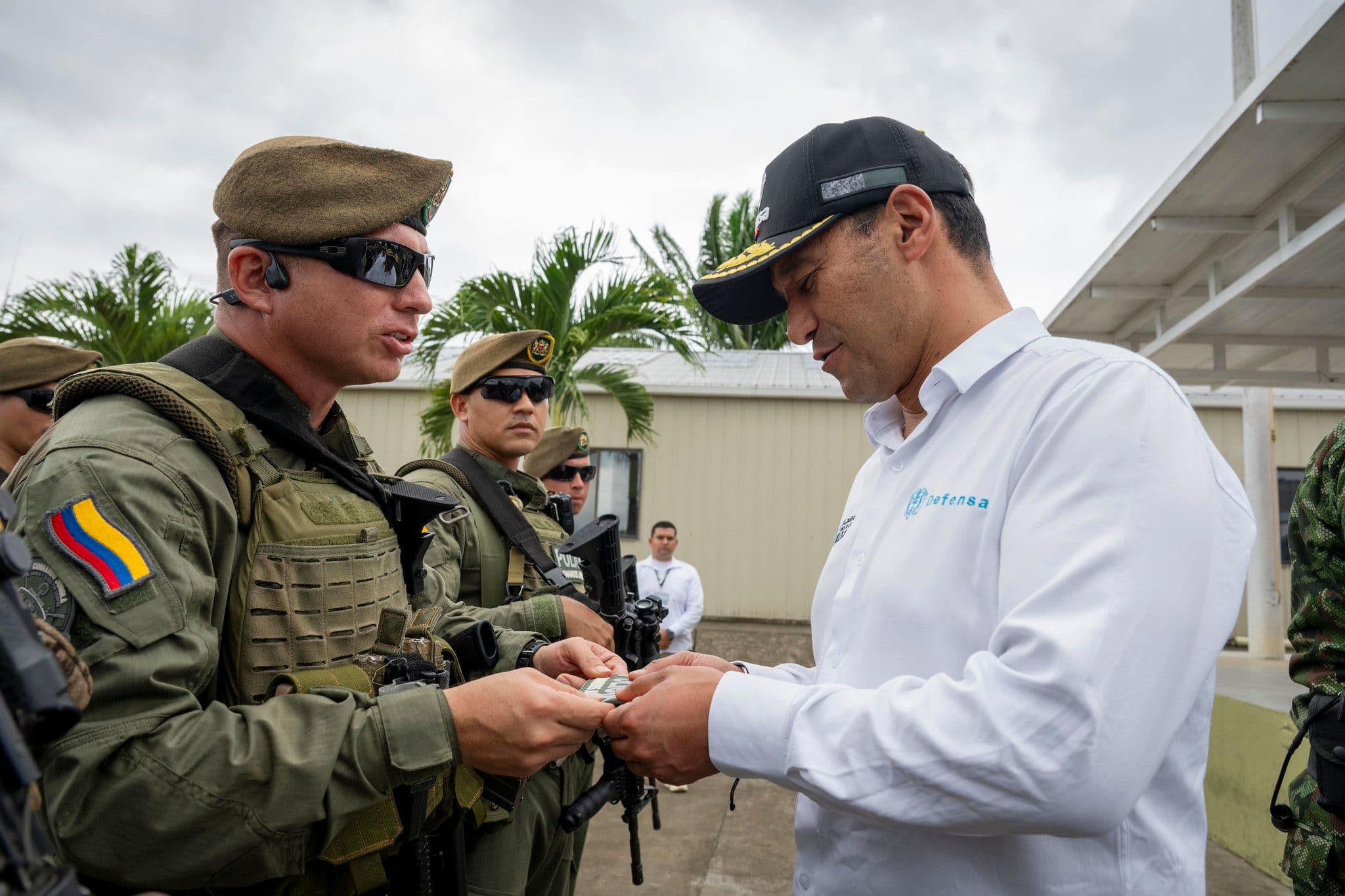
A budget is not an achievement in itself. What turns it into a result is what it makes payable. In this case it paid for three things that previously could not be funded simultaneously: raising the allowance for military and police service to a full minimum wage, at a cost of 800 billion pesos in 2026 alone; levelling the pay of the ranks most exposed in operations, with a further 232 billion; and sustaining the largest capability renewal the sector has seen, backed by four CONPES policy documents.
Without that budget growth, any one of those three decisions would have crowded out the other two. With it, all three happened at once.