16.8 trillion pesos does not buy seventeen aircraft: it buys an air-superiority capability
The contract covers 17 Saab 39 Gripen E/F aircraft, logistical support, pre-paid flight hours, training, a four-cockpit simulator and financing. The Comptroller General reviewed the process and concluded Colombia bought what it needed.
When it is said that Colombia invested 16.8 trillion pesos in seventeen aircraft, the figure sounds disproportionate. And it would be, if the contract were for seventeen aircraft. It is not. Funds an air-superiority capability, which is a different thing from a fleet.
What the package includes
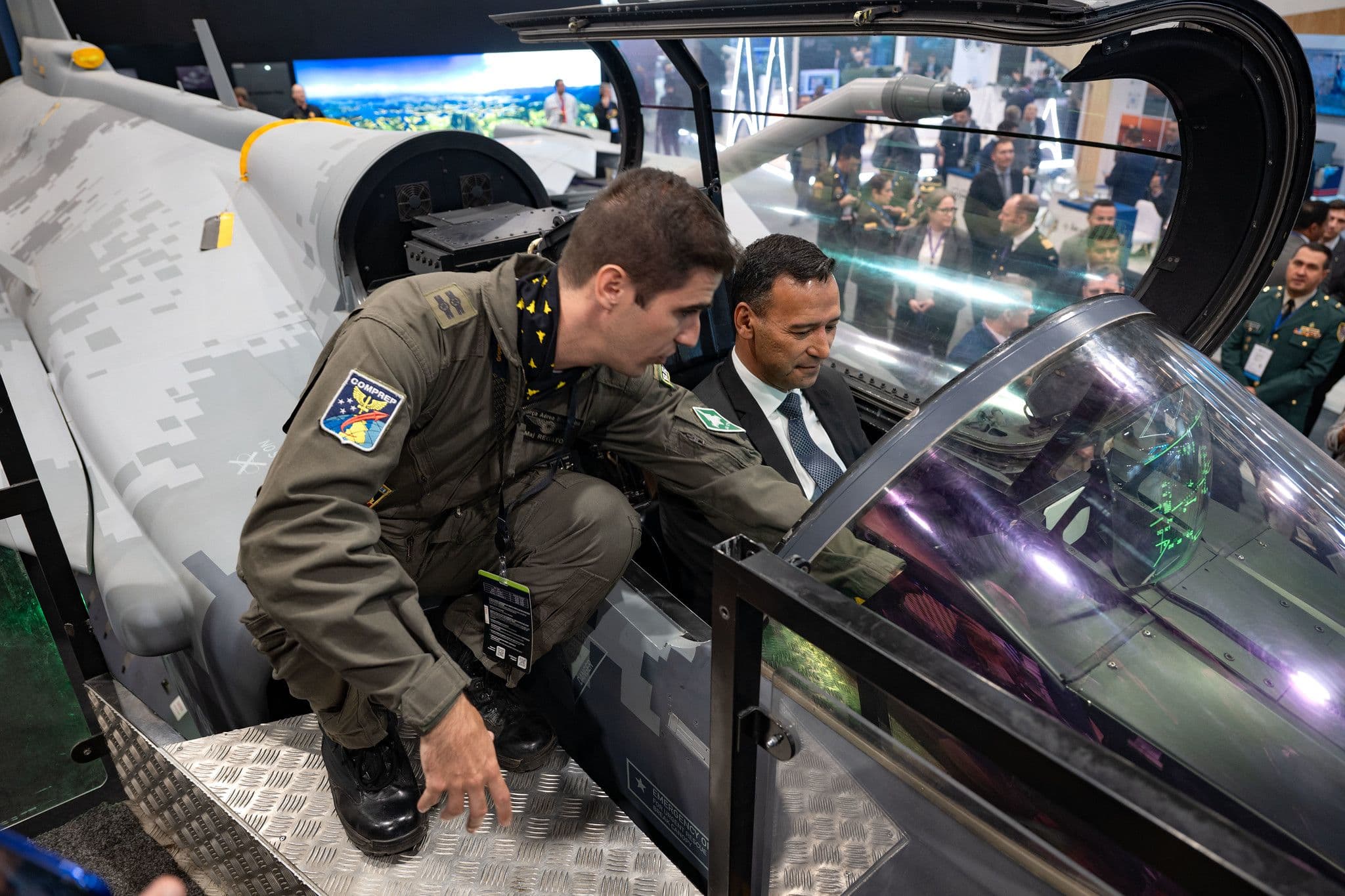
The contract covers the seventeen Saab 39 Gripen E/F aircraft and, alongside them, full logistical support, flight hours already paid for within the contract, personnel training, a four-cockpit simulator — among the most advanced in the world — and the financing structure for the entire operation.
The comparison often drawn with prices paid by other countries starts from a methodological error. It is like comparing two pickup trucks that look identical from the outside without asking which has level-five armour and which level-one, which has what braking system, or which comes with maintenance included. The right questions are: what radars and electronic systems does each aircraft come with, what logistical support, how many pre-paid flight hours, what training and what financing arrangement.
The offset: what comes back to Colombia
The contract includes an industrial compensation component — an offset — which is not a gift: it is paid for within the price. One hundred percent of that offset's credits are executed through technology transfer to Colombia, and its destinations are not only military. They reach health, housing and water, energy, and the development of the Colombian Aerospace Force itself.
How it was chosen
The technical process was led by pilots and logistics personnel over more than two years, on the basis of a requirement the Force had been accumulating for over twelve. The primary criterion was explicit: the aircraft had to be new. An alternative quotation that initially offered new aircraft ended up formally presenting second-hand ones, and was ruled out on that basis.
The negotiation was conducted in euros, which provides exchange-rate headroom. And one contextual note is worth recording: Ukraine subsequently decided to acquire the same aircraft type.
The checks
This was the most heavily scrutinised contract in the set. The Ministry's transparency team took part, alongside an external audit firm engaged specifically to review the process in detail. Afterwards, and publicly, the Office of the Comptroller General conducted its inquiry and concluded that Colombia bought what it needed and did so in accordance with procedure.