Making the soldier's food again
In 2025 the sector's logistics agency restarted field ration assembly and delivered 77 billion pesos' worth to the Forces. It also runs 124 troop dining halls, staffed by single mothers.
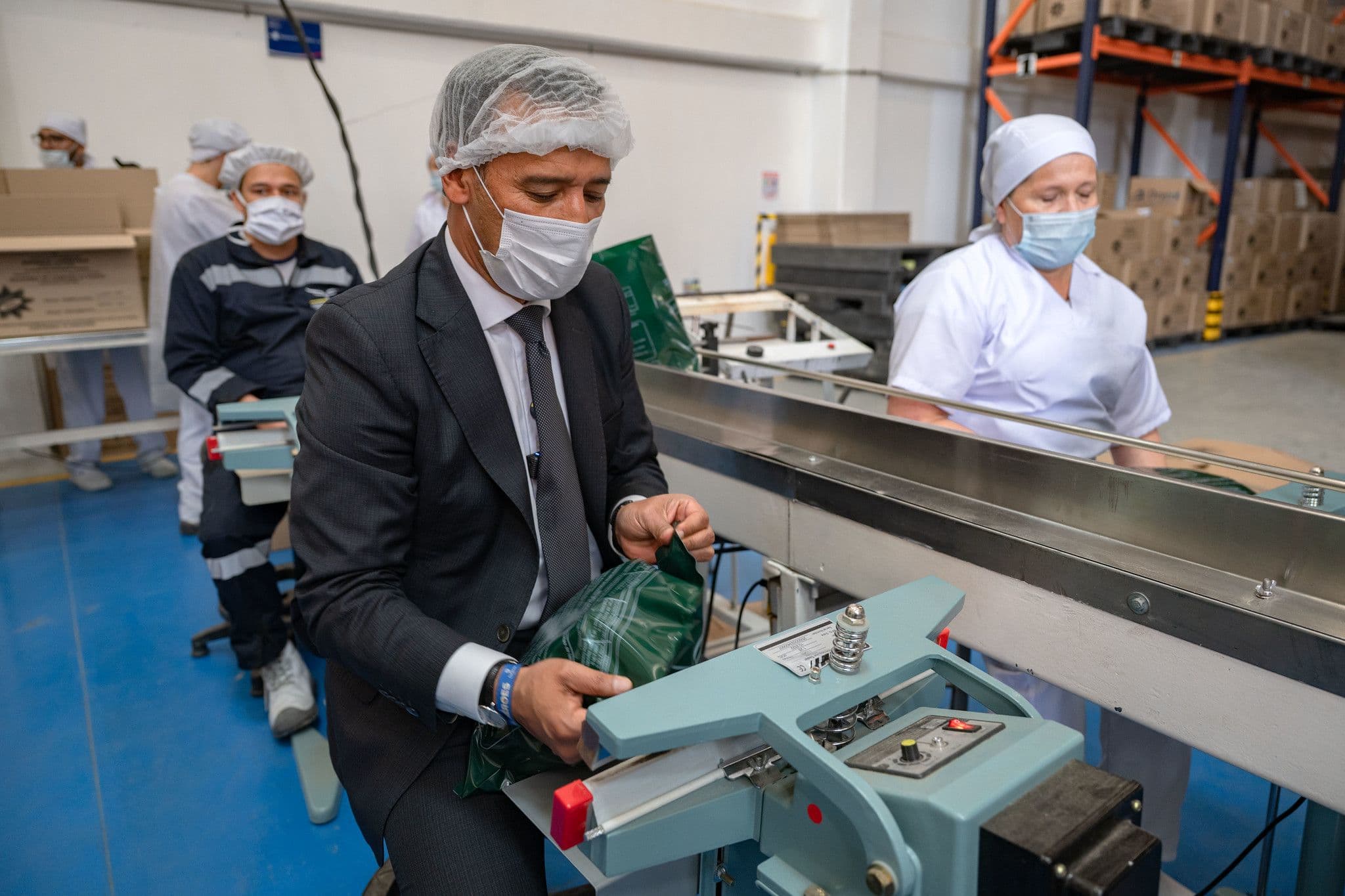
The field ration is what a soldier eats on operations, far from any dining hall. For years, assembling it was outsourced. In 2025 the Armed Forces' logistics agency brought it back in-house, and that year delivered 77 billion pesos' worth of rations to the Forces. It is the clearest example of what re-industrialising inside the sector means: recovering productive work the State already knew how to do.
The whole chain, from contract to plate
The agency runs 27 supply and distribution centres receiving provisions bought through contracting processes, chiefly via the commodities exchange, and manages 124 troop dining halls where soldiers and marines receive the daily allowance: breakfast, lunch, dinner and a snack. Those halls are staffed by single mothers hired by the agency itself, which turns a logistics operation into an employment programme without ceasing to be a logistics operation.
Ninety-eight per cent
The satisfaction survey applied to soldiers eating in the dining halls returns 98% satisfaction. No purchase is made without a technical sheet: every contracted item carries a specification defining food safety and hygiene. It is dull procedure, and it is exactly what separates an acceptable meal from an outbreak in a military unit.
Why this belongs in the industry chapter
Feeding the troops might look like a welfare matter, and in part it is. But the body doing it is a company of the defense sector business group, financed from its own resources, which also supplies fuel to the Navy — including in foreign ports — and contributed 2.30 trillion pesos in inter-administrative contracts with the Forces. It is a service industry, and it is the segment that sustains the daily operation of everything else.