One hundred and thirty-six products out of a Colombian shipyard
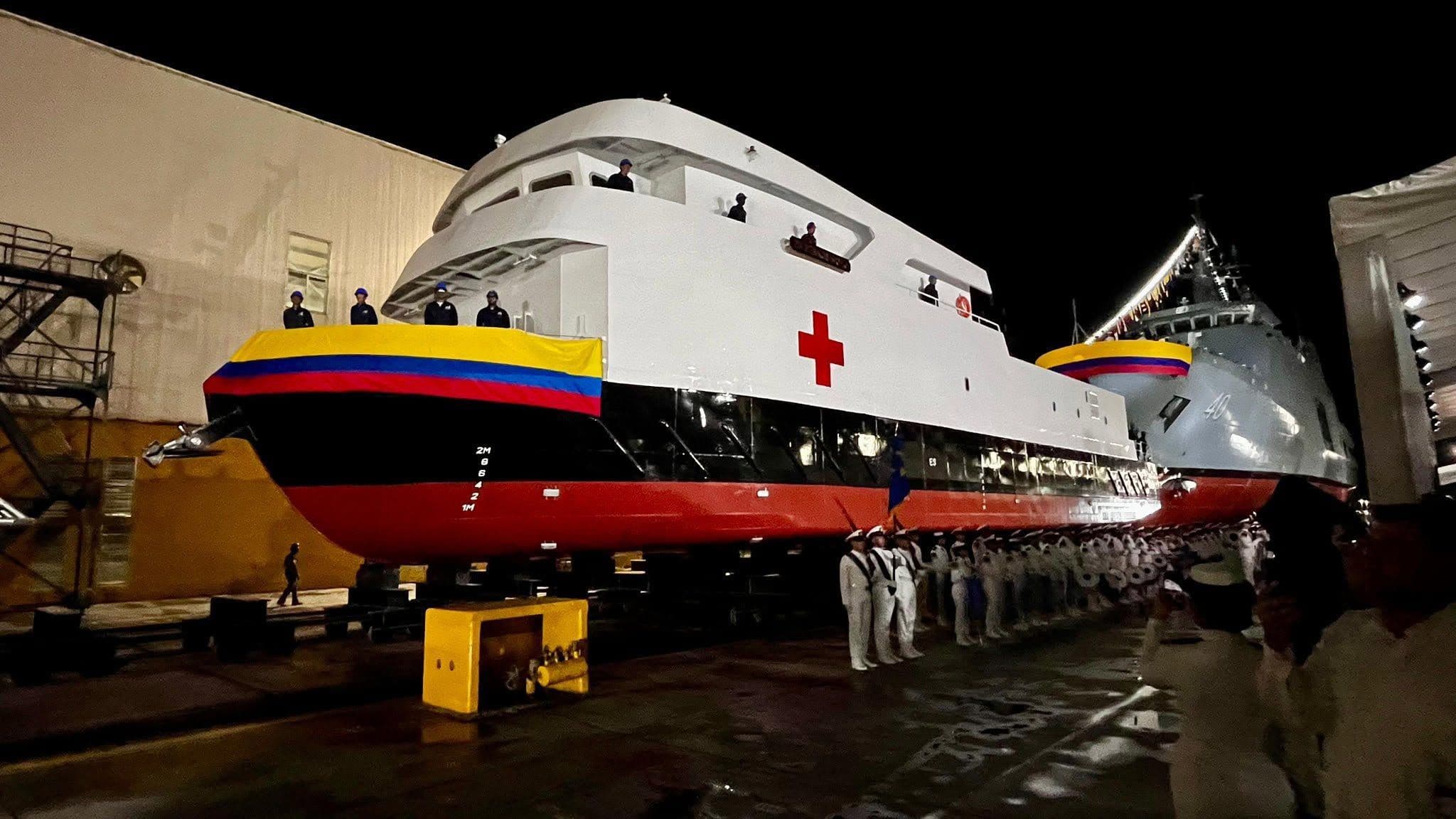
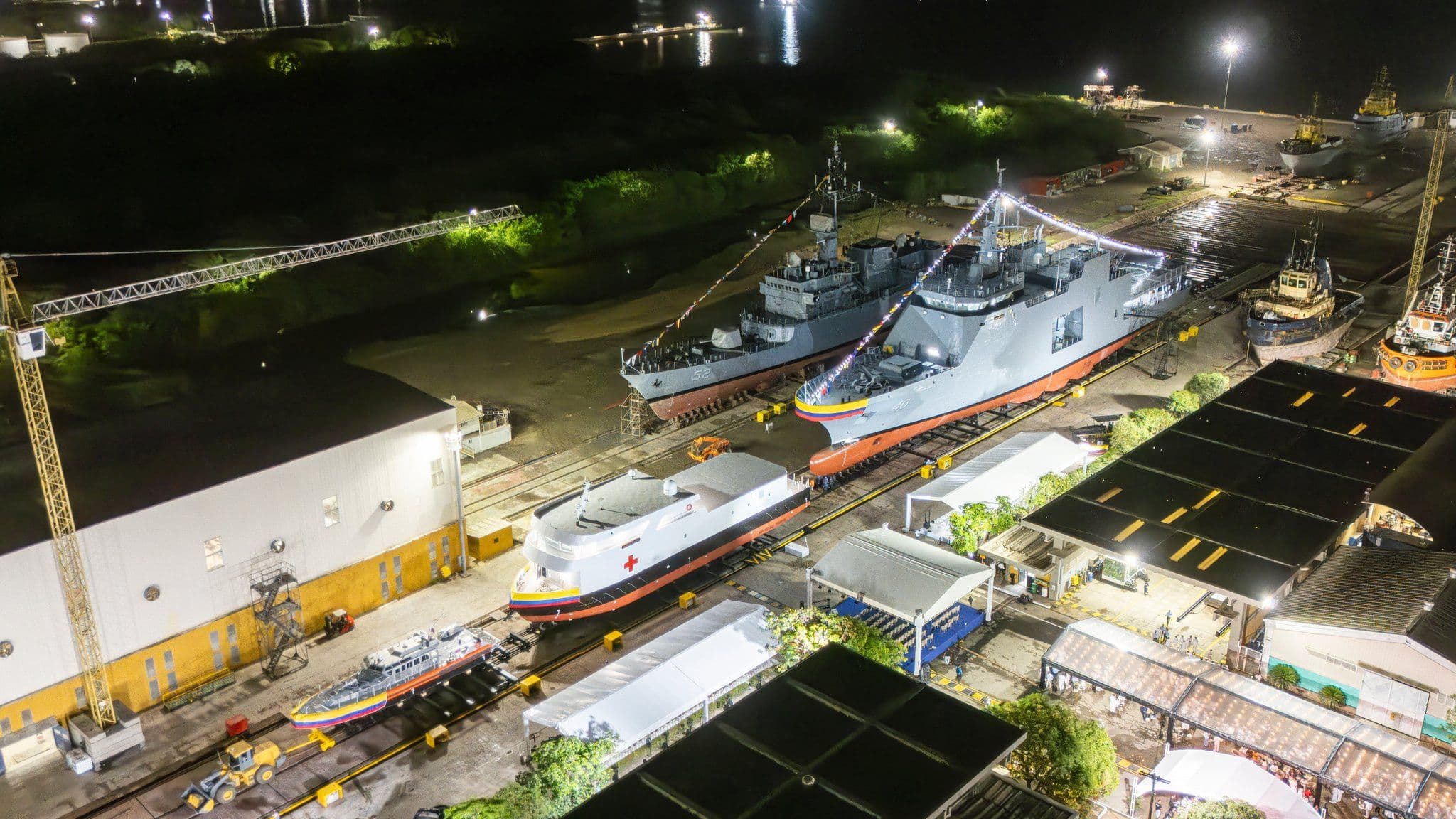
Between August 2022 and July 2026 the sector's naval industry delivered 136 ships, boats and marine structures, seventy per cent Colombian-designed and one hundred per cent Colombian-built.
Shipbuilding is the oldest of the heavy industries and one of the few still intensive in skilled labour. Colombia has had its own for more than twenty-five years, organised as a non-profit science and technology corporation bringing together three actors: the State through the Navy, the universities and private industry. Between August 2022 and July 2026 that corporation delivered 136 products.
What those 136 products are
They are not 136 warships. They are seagoing and river vessels, boats for the Marine Infantry, coast guard units and marine structures, including floating docks for riverside communities that depend on them to move at all. The list mixes defense and development, and the mix is deliberate: the shipyard sustains itself on military contracts, but its social value is measured in the Pacific and the Amazon as much as in the fleet.
Seventy per cent designed at home
Around seventy per cent of those products were Colombian-designed and one hundred per cent Colombian-built. The distinction matters: building to someone else's drawings is contract assembly, designing is industry. Alongside that, national content in vessel construction and repair rose by 65%, meaning a growing share of each ship — steel, systems, services — is bought inside the country rather than imported.
Nineteen departments in the supply chain
The corporation today reports national suppliers located across nineteen of Colombia's departments. That figure says more about impact than the number of ships: a naval contract signed on the Caribbean coast moves workshops, steel and services across much of the country. It is why procurement policy inside the defense sector is debated as industrial policy, not merely as purchasing.