Airstrikes: if the State's legitimate defense is blocked, criminals win
These are some of the conclusions I presented during the motion-of-censure debate to which I was summoned in December 2025 over the use of airstrikes.
The State must never give up its legitimate capabilities to protect Colombians. Doing so only strengthens criminals.
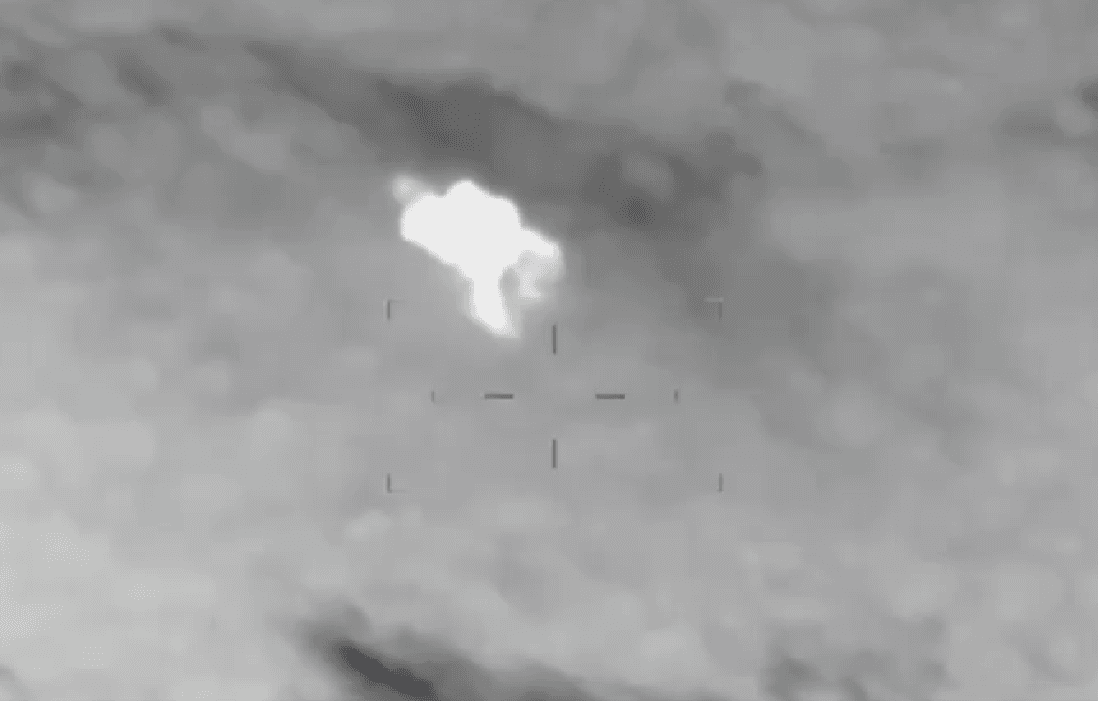
Different mechanisms exist to confront each threat. One of them is the airstrike.
An airstrike is never an improvised decision
An airstrike is a method of attack permitted against lawful military targets. Its use must strictly adhere to international norms — particularly International Humanitarian Law — as well as to Colombian military doctrine and operational law.
An airstrike is the outcome of a rigorous military decision-making process involving a multidisciplinary team. Operationally, it is generally treated as a last resort, considered only after other courses of action have been assessed.
This process requires rigorously verifying that the target is indeed military, establishing military necessity and a concrete and direct military advantage, and applying the principles of distinction, proportionality, precaution, humanity, and limitation — always seeking to minimize incidental harm.
Minors are, first and foremost, victims
Minors recruited and used as combatants are, first and foremost, victims. Those legally responsible for this atrocious crime are the individuals and organizations that recruit them and use them in hostilities, thereby exposing them to the consequences of such participation.
Age does not eliminate the inherent danger posed by a weapon, nor does it diminish the victim status of children recruited to commit crimes. Several civilians and members of the security forces have been killed by minors used by criminal organizations, both in remote and urban areas. The assassination of Miguel Uribe Turbay is a painful example of this exploitation.
In the context of hostilities, their status as victims does not mean that they retain protection against direct attack under all circumstances.
The International Committee of the Red Cross notes that even civilians forced to take a direct part in hostilities, and children below the legal recruitment age, may lose that protection — but only for as long as their participation lasts, or for as long as they maintain a continuous combat function.
Source: International Committee of the Red Cross, Interpretive Guidance on the Notion of Direct Participation in Hostilities under International Humanitarian Law, p. 60.
No child for war
The State and all Colombians must do everything possible to prevent the recruitment of minors, protect them, and firmly pursue those responsible.
The death of a minor always causes immense pain, but it also reveals a very harsh reality.
The tragedy begins with their recruitment, often driven by domestic violence, lack of opportunity, and the absence of the State. At a stage of life marked by vulnerability and the search for identity, many minors believe they will find in illegality the opportunities that their family, society, and the State itself denied them.
This tragedy continues throughout their time in the armed criminal organization, which degrades them, exploits them, and exposes them to the dangers of conflict — including the risk of being targeted in an attack for as long as they maintain a continuous combat function.
According to records from the Ministry of National Defense, the recruitment of minors fell by 24% in 2025 compared to 2024, and as of July 30, 2026, had dropped by a similar proportion compared to the same period in 2025.
No child for war.
Giving up legitimate capabilities can cause greater harm
If the legitimate use of airstrike capability is suspended — even when all legal and operational conditions are met and there is a pressing need to protect Colombians — who is accountable for that decision?
If, by failing to act, the threat causes serious harm, who is accountable for the dead, the wounded, and the victims of forced displacement that criminal groups could cause if not neutralized promptly and decisively?
All war is painful and inhumane — but so is giving up the State's legitimate and indispensable capabilities to protect its population and prevent greater harm.
If the State's legitimate defense is blocked, criminals win.