26 million voters, one mission: protecting democracy
More than a crime count or a harm statistic, the Democracy Plan measures something different: the State's ability to guarantee that Colombians can vote freely, regardless of who they vote for.
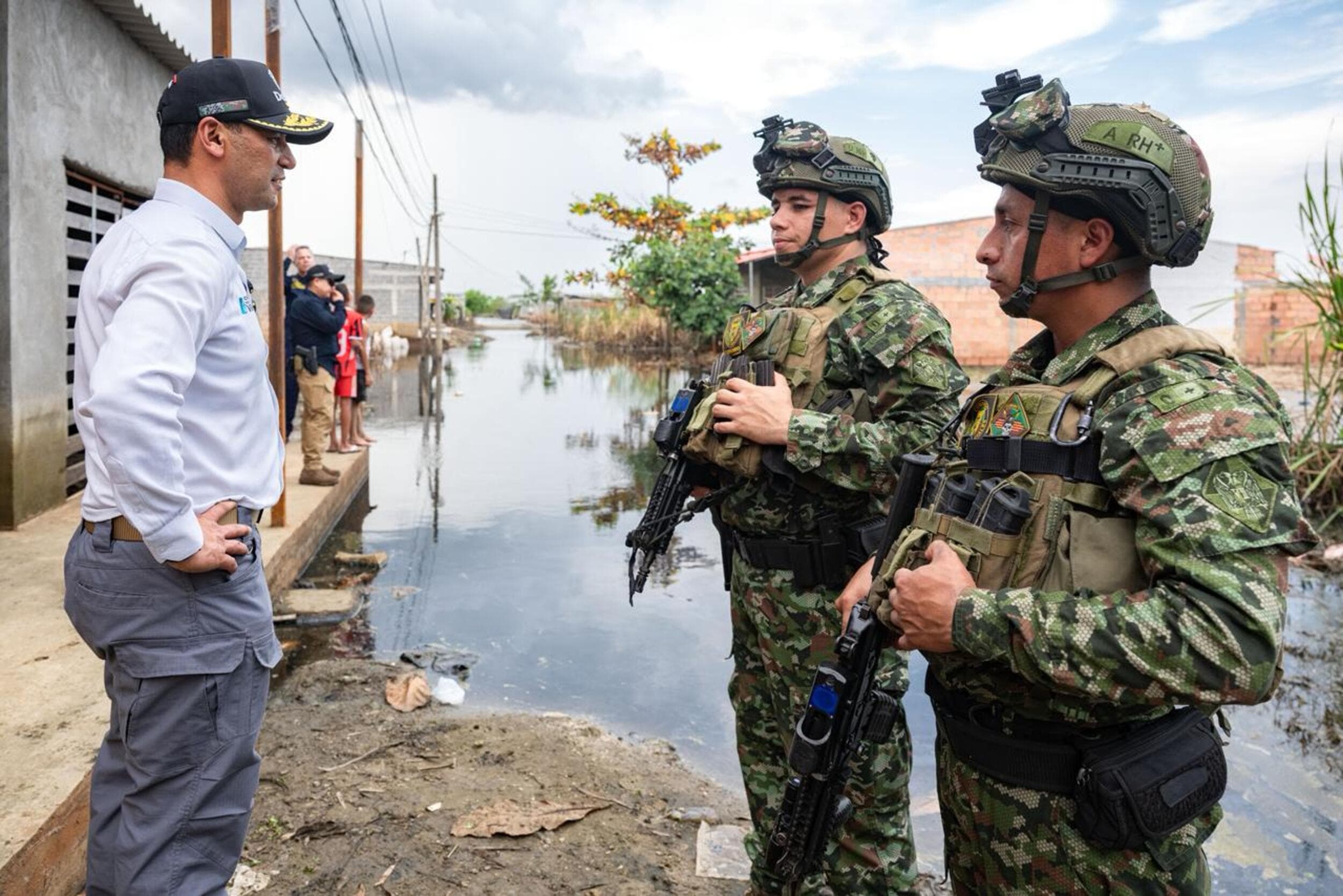
This year, 408,000 Public Force members deployed across the entire national territory to protect an electoral exercise that turned out, according to official figures, to be the most attended in history, the safest in 40 years, and against the most pessimistic forecasts, one of the calmest on record.
The clearest result came on election day itself: zero terrorist attacks nationwide, despite adverse forecasts circulating beforehand, including warnings about possible disinformation campaigns aimed at sowing doubt about electoral security. Electoral protection isn't limited to voting day: it requires months of planning, intelligence, and territorial deployment, coordinated among the Military Forces, the National Police, and civilian authorities, along with a dedicated public-communication strategy to counter false information about security risks.
The result also carries an institutional meaning beyond the number itself: the election of a new government,one with a different political orientation than the outgoing administration, was made possible by that same Public Force deployment. For a Ministry that insists on its non-partisan character, the Democracy Plan may be the clearest example of that principle: the Public Force doesn't protect a candidate or a party, it protects every Colombian's right to decide, and that principle doesn't change with an election's outcome.