26 airstrikes, zero harm to civilians: air pressure on armed groups
One combat engagement every 20 hours and 26 airstrikes without a single reported case of harm to people or property protected under IHL: our answer to claims that the Public Force has its hands tied.
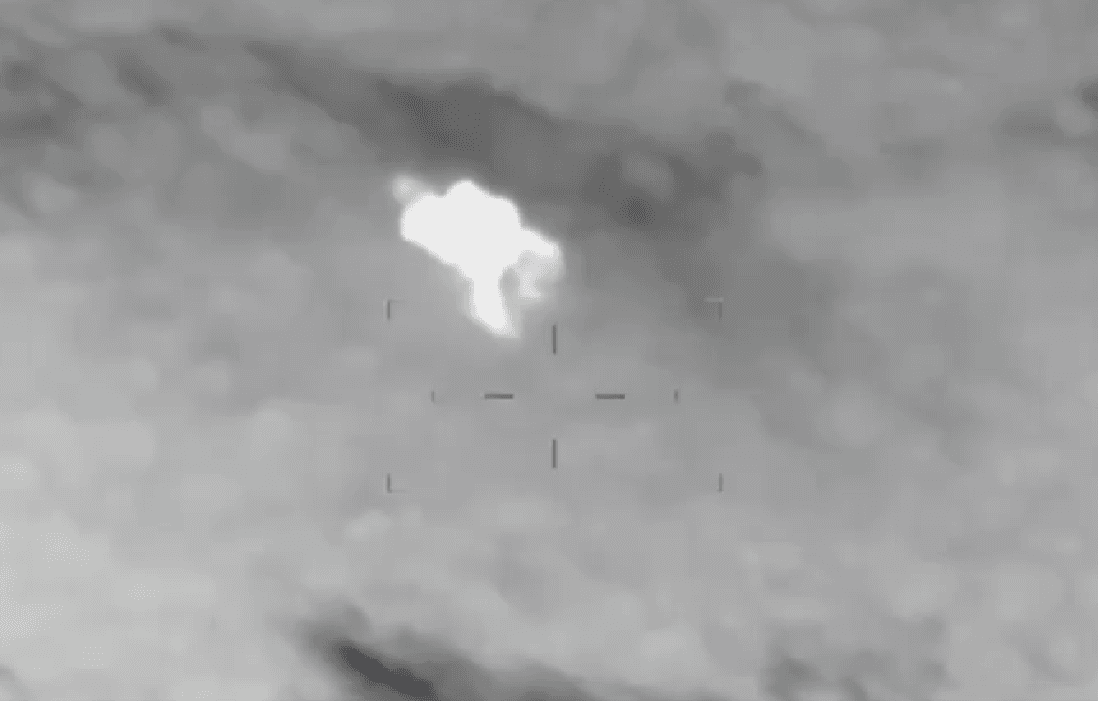
Airstrikes are one of the most forceful tools in the strategy against organized armed groups (GAO), and also one of the most debated. During this government period, 26 airstrikes were carried out: 9 in Antioquia, 4 in Cauca, 3 in Guaviare, 3 in Norte de Santander, 2 in Chocó, and one each in Arauca, Caquetá, Casanare, Amazonas, and Vaupés, according to figures from the Joint Command of the Military Forces. Two of the main targets of these strikes, dissident forces led by alias Mordisco and the Clan del Golfo, are also, as we have documented, responsible for serious human-rights violations, including the recruitment of minors.
The number we have most insisted on highlighting isn't the count of airstrikes, but their outcome: zero reported harm to people or property protected under International Humanitarian Law (IHL). That figure comes alongside another, equally significant one: a 71% reduction in allegations of arbitrary deprivation of life attributed to the Public Force over the same period.
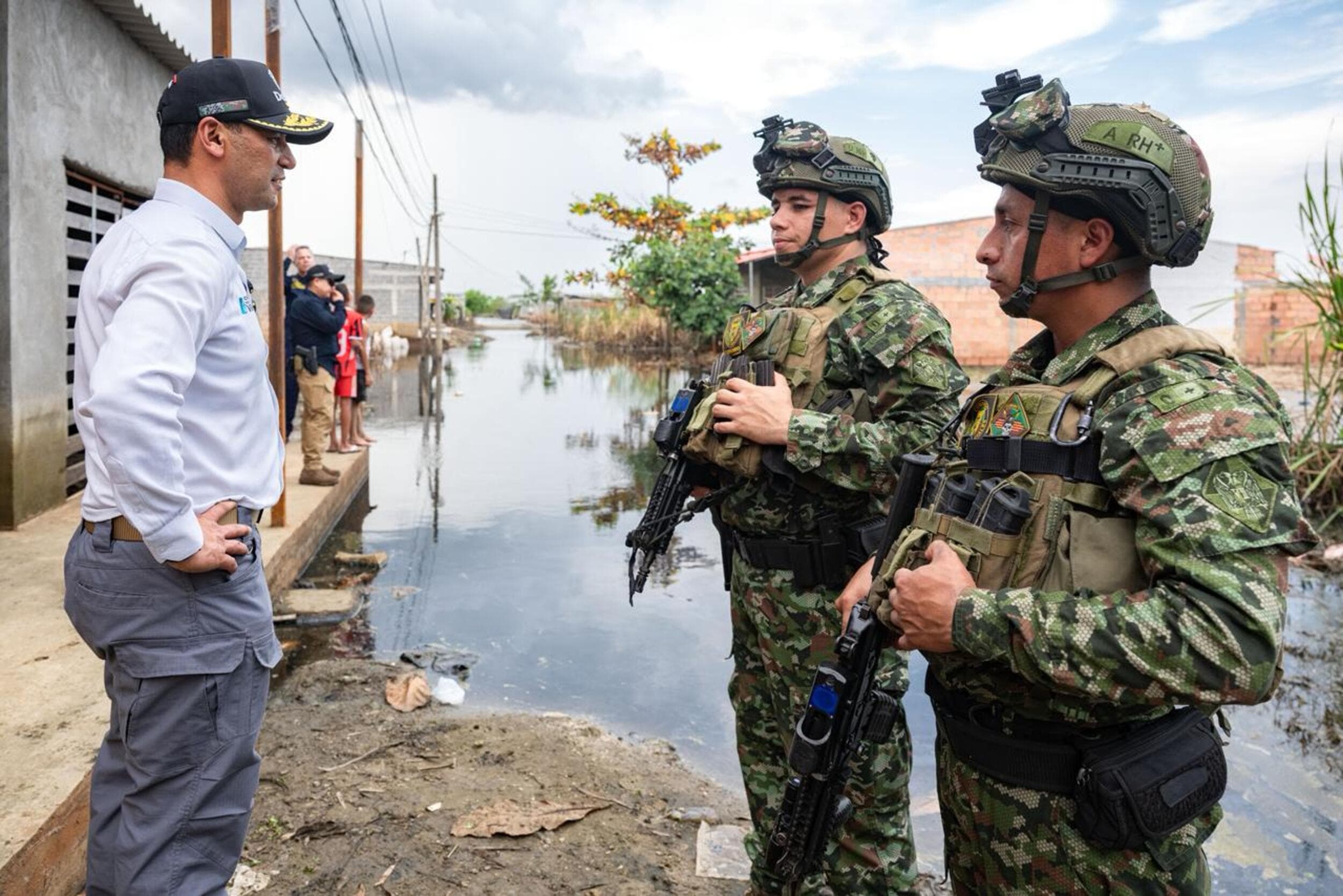
The airstrikes take place within a context of constant pressure on GAOs: the Public Force engages in combat, on average, every 20 hours (the total cumulative combat count is still subject to final verification). It's a ratio we have used directly to respond to a recurring public criticism: the idea that the Public Force operates with its hands tied. Fighting at that pace while also reducing human-rights allegations are not, in our view, contradictory goals; they're proof that both can be pursued at once.
Mordisco's dissident faction and the Clan del Golfo are the leading war criminals, while also committing serious human rights violations by recruiting minors and exposing them to hostilities.
The operational complexity behind these numbers is real. Armed groups have changed how they operate: moving in civilian clothing, on motorcycles, through semi-urban areas, and increasingly using drones to attack both the population and the Public Force itself. That shift makes it far harder to apply the principle of distinction between combatant and civilian with precision, and explains why neither the number of airstrikes nor the number of engagements can be read in isolation from the quality of the intelligence behind them.