Historic seizures: why the figure isn't explained by more coca planted alone
3,380 tons of cocaine seized: the highest figure since comparable records between governments began, nearly matching the combined total of the two previous governments.
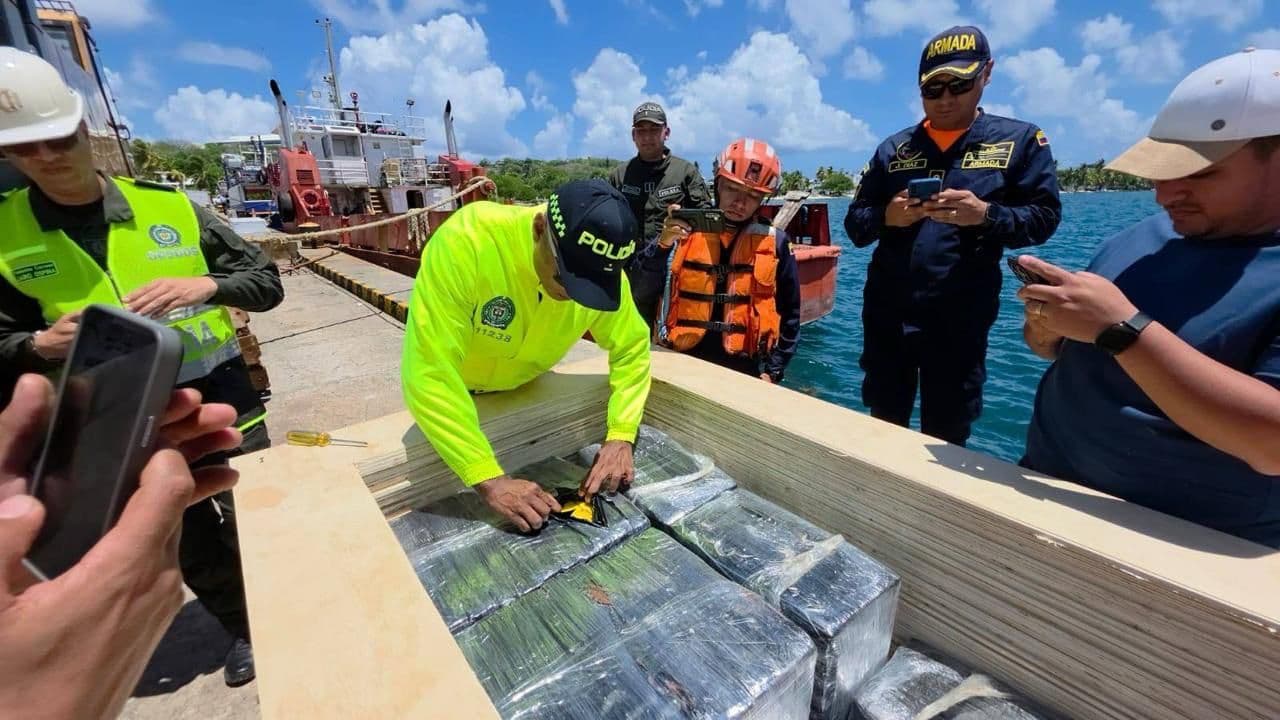
The 3,380 tons of cocaine seized during this government period exceed what was seized in any of the three previous government periods on their own: 671 tons between 2010 and 2014, 1,347 between 2014 and 2018, and 2,180 between 2018 and 2022. According to official figures, what was seized during this government period nearly equals the combined total of the two previous governments (Duque and Santos's second term), which together added up to 3,527 tons.
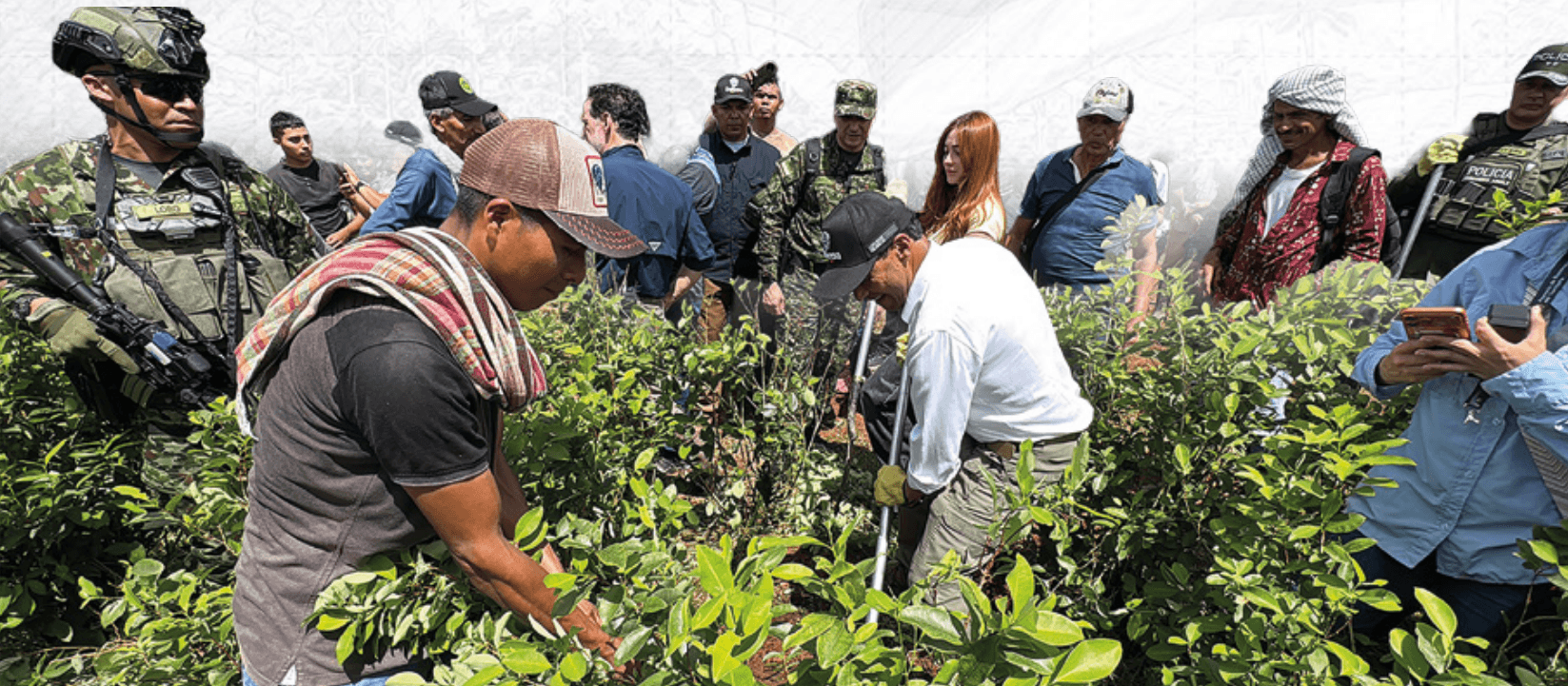
An argument we've heard often is that the figure grows simply because more coca is being planted. The data doesn't fully support that reading: the cultivated area grew just 16% during this government period, well below the 69% of the previous period, and in recent months it began to decline. If production had grown at the same pace as seizures, the explanation would be different; instead, the combination of slower crop growth and higher seizures points to a real improvement in intelligence and interdiction capacity, not just more drugs available to seize.
That capacity also shows up in another figure: according to official data, 60% of all cocaine seized worldwide is the result of Colombian intelligence work, and a processing lab is destroyed in the country every 50 minutes, on average.